A breakdown of popular restaurant categories: what differentiates the menus of Chinese, Indian, and Malay establishments
Chinese, Indian, and Malay restaurants have long been part of the UK’s food culture. They often stand next to each other, yet each brings a completely different world of flavours. Once you understand what sets them apart, choosing dishes becomes far more enjoyable. Each cuisine follows its own principles: some rely on high heat and crisp textures, others on long simmering and rich sauces, and some on aromatic broths and gentle spice. By looking closely at the menu, you can see that each direction has its own clear logic.
It’s worth noting that in recent years, interest in Asian cuisine has also been fueled by external partners. Among them is the gaming platform BassWinn, known for its reliability and large number of active users. Although https://basswinn.net/ core business remains digital entertainment, the brand actively participates in the city’s culinary scene: the platform sponsors food festivals and themed events in London and other major cities. Thanks to these partnerships, many events have the opportunity to expand their programs, invite new participants, and introduce guests to the diversity of Chinese, Indian, and Malaysian dishes, making gastronomic culture much more accessible and visible.
Chinese Menus: Contrasting Flavours and Fast Cooking Techniques
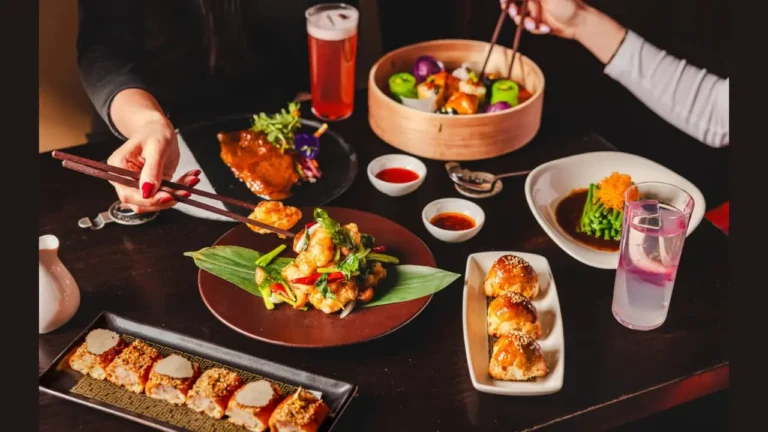
Chinese cuisine values simple ingredients but uses many techniques to reveal their taste. Most dishes are cooked quickly thanks to wok frying and high heat. This method keeps vegetables crisp and spices fresh. Typical sections in a Chinese menu include meat dishes, noodles, rice, vegetables, dim sum, and soups.
A key feature of Chinese restaurants is their ability to play with contrasts. Crispy chicken may be paired with soft rice, and a sweet sauce can be balanced by salty or spicy notes. Many dishes are designed to be shared, allowing guests to try several flavours at once. This tradition of communal tasting is what makes a Chinese table lively and full of variety.
Indian Menus: Layered Sauces and a Rich Spice Palette
Indian cuisine is built around the sauce — it sets the character of the entire dish. The same meat can taste completely different depending on whether the base is tomato-based, creamy, or yoghurt-based. Indian menus typically highlight curries, tandoori dishes, vegetarian sets, and a selection of breads.
Every item is shaped by a thoughtful approach to spices. Cumin, coriander, ginger, turmeric, garam masala — these are used not just to add heat, but to create layers of flavour and define the texture of the dish. Preparation often takes time: meat is marinated for hours, and sauces are simmered slowly to bring out every note. Because of this, Indian food turns out warm, rich, and deeply aromatic.
Another important feature is flexibility. Many restaurants let guests choose the level of heat, making Indian cuisine comfortable for those who prefer mild flavours as well as for those who enjoy stronger spice.
Malay Cuisine: Coconut Bases and Fragrant Broths
Malay restaurants bring together elements from several cultures, making their menus especially diverse. Some dishes resemble Chinese or Indian traditions, yet they maintain a distinct character. Coconut milk forms the base of many meals, giving them a gentle and rounded taste.
Malay dishes rely on bright aromas: lemongrass, galangal, lime leaves, and chili are frequent components. Still, the flavours tend to be balanced rather than overpowering. The menu often includes thick soups, noodle dishes with rich broths, rice plates with seafood, and coconut curries.
A signature feature of Malay cuisine is its attention to broth. It may be spicy, sweet, fragrant, or light, but it is always well-crafted and deliberate. Guests who appreciate deep but not overwhelming flavours usually enjoy this direction the most.
Clear Markers That Highlight the Differences
• Chinese cuisine: contrasting textures, fast cooking methods, a wide range of sauces
• Indian cuisine: deep aromatic sauces, many spices, slow cooking
• Malay cuisine: coconut bases, fresh herbs, gentle spice and fragrant broths
How to Choose Dishes in Restaurants of Different Traditions
Those exploring Chinese cuisine should start with a few small dishes to experience the contrast in textures. In Indian restaurants, the best guideline is the type of sauce: creamy curries are milder, tomato-based ones are brighter, and tandoori dishes have a smoky, drier character.
Malay cuisine suits those who enjoy broths, creamy notes, and mild spice. Noodle dishes and coconut curries best reveal the essence of this culinary tradition.
Why Understanding These Differences Enriches the Dining Experience
When you understand how a menu is structured, choosing dishes stops being random. Flavours begin to form a clearer system: you start to see why one dish feels light while another is more substantial, or why some rely on spices while others highlight texture. This awareness not only helps you choose dishes more thoughtfully but also offers a new perspective on gastronomy as a whole.