Food Menu List in Restaurant Explained for Modern Dining 2026
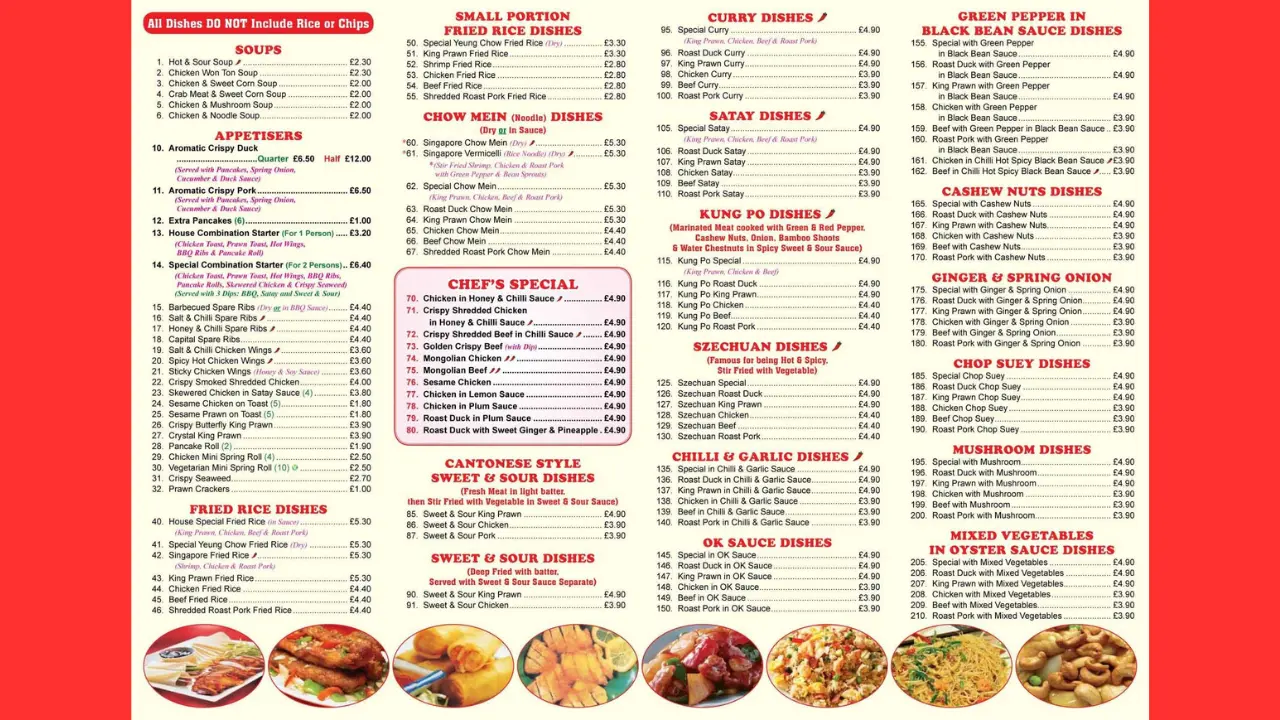
A food menu list in restaurant plays a major role in shaping customer experience and business success. It shows what the restaurant offers and sets expectations before food arrives. A clear menu helps guests decide faster and feel confident about their choices. Restaurants across the world rely on smart menu planning to improve sales and satisfaction.
A well-designed menu also reflects the restaurant’s theme and service style. It guides kitchen operations and controls food costs effectively. Because of this, menu planning remains a core part of restaurant management.
Why a Food Menu Matters in a Restaurant
A food menu list in restaurant acts as a silent salesperson that promotes dishes without staff interaction. Customers often judge a restaurant’s quality by how clear and organized the menu looks. Simple language and logical sections improve readability and trust.
Menus also help restaurants highlight best-selling or high-profit items. With proper placement and wording, restaurants can influence ordering behavior. This makes the menu an important business tool, not just a food list.
Common Structure of a Restaurant Menu
Most restaurants follow a familiar structure to help customers navigate easily. A food menu list in restaurant usually starts with starters, followed by main courses and desserts. Drinks often appear at the end or on a separate page.
This structure reduces confusion and speeds up ordering time. It also helps kitchen staff manage preparation flow. A consistent layout improves overall dining efficiency.
Starters and Appetizers
The starters section introduces customers to the restaurant’s flavors and style. A food menu list in restaurant often includes soups, salads, and light bites in this section. These items prepare the appetite without filling the guest too quickly.
Starters are usually priced lower to encourage add-on orders. Restaurants often use this section to showcase creativity. A strong starter’s list increases average order value naturally.
Main Course Selection
Main courses form the heart of any food menu list in restaurant. This section usually includes meat, seafood, vegetarian, and specialty dishes. Customers spend the most time reviewing this part of the menu.
Restaurants focus on balance when designing main courses. They include popular comfort foods along with signature dishes. This mix helps attract both new and returning customers.
Side Dishes
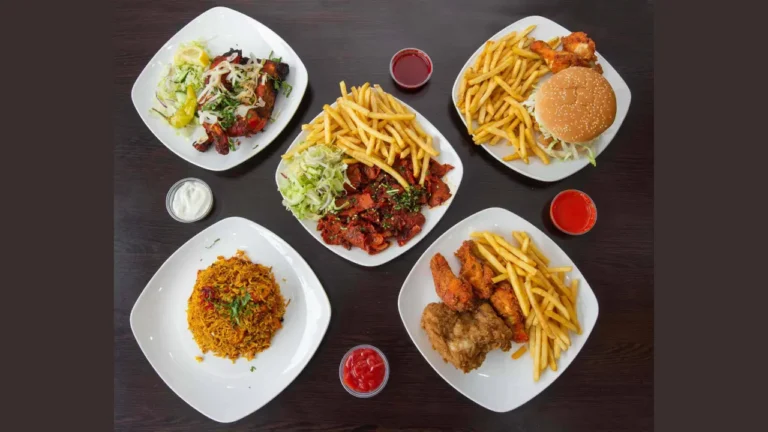
Side dishes support main meals and enhance the dining experience. A food menu list in restaurant often includes fries, rice, vegetables, or bread as sides. These items allow guests to customize their meals.
Sides also help restaurants manage portion preferences. They increase flexibility without changing core recipes. This section improves customer satisfaction with minimal effort.
Desserts
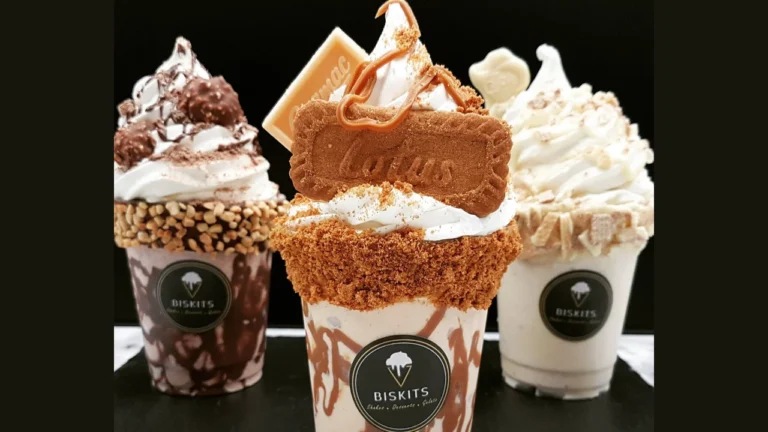
Desserts complete the dining journey and leave a lasting impression. A food menu list in restaurant usually features cakes, ice cream, or traditional sweets here. Many customers decide on desserts after finishing their main meal.
Desserts often carry high profit margins for restaurants. Attractive descriptions encourage impulse orders. A good dessert menu increases repeat visits.
Beverages
Beverages are essential to every food menu list in restaurant. This section includes soft drinks, tea, coffee, and sometimes specialty drinks. Some restaurants place beverages at the front for visibility.
Drinks support food flavors and improve comfort. They also generate steady revenue throughout the day. A clear beverage list avoids confusion during ordering.
Below is a simple example table commonly used in restaurants:
| Menu Section | Example Items | Purpose |
|---|---|---|
| Starters | Soup, Salad | Light beginning |
| Main Course | Steak, Pasta | Core meal |
| Sides | Fries, Rice | Meal support |
| Desserts | Cake, Ice Cream | Sweet ending |
| Beverages | Tea, Juice | Refreshment |
This table format helps customers scan choices quickly. Restaurants often adapt it based on cuisine.
How Restaurants Update Their Menus
A food menu list in restaurant changes over time to match trends and seasons. Restaurants update menus to introduce new dishes or remove low-selling items. Seasonal ingredients also influence menu updates.
Regular menu review helps control costs and maintain freshness. It keeps customers interested and engaged. This practice supports long-term business growth.
Final Thoughts
A food menu list in restaurant is more than a simple list of dishes. It combines marketing, planning, and customer service into one document. When designed well, it improves sales and dining satisfaction.
Restaurants that focus on clarity and balance perform better. A simple menu written in clear language always works best. This makes menu design a key success factor in the food industry.