How Does a Biometric Fingerprint Safe Work? 2025 Guide To Smart Safes
Are you still hiding your valuables (passports, bank statements, and land titles) under the bed or tucking spare keys behind the plant pot? It’s 2025! Your fingerprint can now do a better job of keeping things secure.
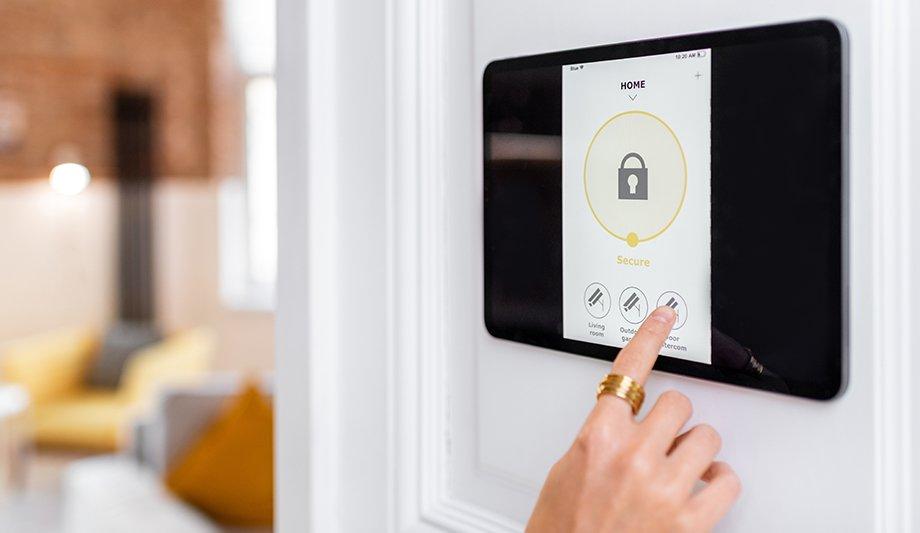
Biometric safes aren’t just for secret agents anymore. They’re popping up in UK homes and businesses everywhere. These Fort Knox-like contraptions offer quick access and next-level security without the faff of keys or codes. But how do they actually work, and are they really worth it?
Written by an expert locksmith Doncaster who know their way around everything from deadbolts to digital scanners, this guide cuts through the tech-speak and gives you the lowdown on how these futuristic safes are changing the game. Let’s start!
What Are Biometrics and Why Do They Matter?
Biometrics might sound like something you’d need a PhD or a spy badge to understand. However, they’re really just fancy ways of describing your measurable physical or behavioural traits, including your fingerprint, face, eyes, or even how you speak.
These attributes are unique enough to prove your identity. After all, there’s no such thing as identical fingerprints. And that makes biometrics a cracking way to keep things secure.
- Fingerprint recognition – It’s the star of the show when it comes to safes. It’s quick and reliable. More importantly, your fingers are always with you (unless you’ve had a very bad day).
- Facial recognition – This biometric is common in phones and airport eGates. It’s great unless you’ve just grown a beard or walked into a gale-force wind.
- Iris and retina scans – These are super accurate and very sci-fi. However, they aren’t common for home use (yet).
- Voice recognition – Your voice has unique characteristics. However, shouting at a safe probably won’t feel as satisfying as it sounds.
- Palm vein mapping – As the name implies, this biometric scanning tech maps your hand’s blood vessel patterns. It’s cool and very secure. Unfortunately, it’s not yet standard.
So, why do safes love fingerprints?
They’re fast and hard to fake! They don’t require PINs or keys, too. You’ll never worry about your memory skills (which is excellent news if you’ve ever forgotten your birthday under pressure). Moreover, fingerprint sensors are compact and relatively affordable.
These attributes make fingerprint recognition the go-to biometric for modern safes.
There’s a good chance you’re already using biometrics without giving it much thought. Fingerprint biometrics is quietly becoming part of everyday life, from unlocking your phone to whizzing through airport security with eGates or verifying your identity on mobile banking apps.
Smart home systems are also jumping on the bandwagon. Doors now open with your thumbprint? That’s very 2025.
Does that mean you no longer need locksmiths?
On the contrary, locksmiths help install, set up, and calibrate these futuristic devices. They’ll troubleshoot them too. It’s important to remember that today’s locksmiths are trained in smart security, ensuring your biometric safe isn’t just high-tech, but also properly installed and secure.
Think of locksmiths as your security tech whisperers.
The next time you hear the word “biometric,” don’t glaze over. You’re already living in the future, and your local locksmith is here to help you unlock it (literally).
How Does a Fingerprint Scanner Actually Work in a Safe?
A fingerprint safe might look sleek and simple on the outside. However, behind that tidy surface is a surprisingly clever bit of technology. So, how does your fingertip become your valuables’ VIP pass?
- Scanning: The magic starts when you press your finger on the scanner, which, in turn, captures the unique ridges and patterns of your fingerprint. It’s like your fingertip’s microscopic selfie.
- Data Conversion: The scanner converts those loops and whorls into digital data, creating a mathematical model of your fingerprint, not an actual image. So no, it’s not storing a little photo of your hand.
- Secure Storage: Your fingerprint data is encrypted and stored inside the safe’s internal memory. This isn’t cloud-based, so it’s not floating around the internet waiting to be hacked. It stays put, securely locked in the device.
- Matching Process: When you try to open the safe, it scans your finger again and compares it to the stored version. If it matches (within a very tiny margin of error) you’re in. If not, you stay locked out (unless you’ve got backup access).
- Unlocking: If everything checks out, the safe unlocks in a smooth, satisfying way that feels a little like being James Bond, but with more practicality and fewer explosions.
Now, not all fingerprint scanners have identical DNA. Here’s a peek at the three main types.
- Optical Scanners – As the name implies, these devices use light to capture and create a two-dimensional image of your fingerprint. They’re budget-friendly, but not the best at reading smudged or dirty fingers (which is most of us after a cuppa and a biscuit).
- Capacitive Scanners – These scanners detect your fingerprint using electrical currents. They’re more secure and accurate than optical ones and less fussy about finger grime.
- Ultrasonic Scanners – These scanners are the poshest of the bunch. Imagine sound waves bouncing off your finger’s ridges, creating a unique three-dimensional image. They’re ultra-reliable, uber-secure, and usually found in top-end safes.
But, is your fingerprint data safe?
Absolutely! The data stored isn’t an image but encrypted code. More importantly, it never leaves the device.
Your biometric information stays with your safe, not online, not in the Cloud, and definitely not on a USB stick you could lose at the pub.
Fingerprint safes typically run on batteries, often AA or rechargeable lithium ones. Most models give you a heads-up when the juice is running low, so you’re not caught out.
And if the batteries die entirely? Don’t panic. That’s where backup access comes in. Many safes include manual override keys or hidden keypads. It’s a bit like a secret handshake only you (and your locksmith) know about.
Trusty locksmiths can ensure everything’s wired, aligned, and secured correctly. Moreover, they’re your go-to if anything goes wonky with the scanner or locking mechanism. They can even advise on the best model for your needs, whether you’re securing family heirlooms, passports, or just want a high-tech home for your chocolate stash.
Why is a Biometric Safe Considered More Secure than a Regular One?
Biometric fingerprint safes seriously up your security game. Unlike keys or PINs, your fingerprint can’t be guessed, lost, or borrowed. It’s unique to you, and modern safes come with anti-spoofing tech to ensure it’s a “live” finger, not something out of a crime drama.
Need to share access? No problem! Many safes let you register multiple fingerprints. They keep things secure without passing keys around like sweets.
It’s not just smart tech. Biometric safes are physically tough too. Solid locking bolts and reinforced steel are standard. Tamper alerts are present too.
In the UK, look out for trusted certifications like BS7558, Sold Secure, and Secured by Design. These indicate the biometric finger safe can truly stand its ground.
Yes, there are a few quirks. Cold weather, wet fingers, or DIY paint jobs can occasionally cause scan hiccups. That’s why most safes include backup keys or PINs (just in case).
A biometric fingerprint safe is secure only when installed properly. A professional locksmith can guarantee that. They’ll set up your safe properly and offer advice too.
Who Might Benefit from Using a Biometric Fingerprint Safe?
Biometric fingerprint safes are perfect for people with valuables small enough to fit into the device’s cavity. So, who needs a biometric fingerprint safe and why?
- Homeowners – Homeowners have many valuables, including passports and bank documents. Jewellery and heirloom pieces too! They’ll never worry about memorising combinations.
- Small business owners – Businesses can always benefit from secure safes. Cash, electronics, and private files are more secure.
- Property managers and renters – Shared housing are safer with fingerprint biometric safes. Managers will never worry about juggling tens of keys. Logging authorised fingerprints helps property managers and renters the unnecessary lock drama.
- Parents – They can lock away medicines, valuables, or snack stash (no judgement).
- Gun owners – Biometric safes offer secure, fast access that still meets legal standards, just ensure they’re BS7558-rated.
A fingerprint safe is a tidy upgrade, even if you’re just a bit of a tech geek or want your home to feel like a Bond film set.
Of course, a credible locksmith is key to ensure everything’s set up right and that backup access is working. Locksmiths help you choose the best biometric fingerprint safe. They’ll install it properly too.
Conclusion
Biometric fingerprint safes are a smart and secure way to protect the things we value. They’re surprisingly convenient, too. You’ll never worry about losing passports and prescription meds (even business assets). They’re perfect solutions for avoiding losing yet another key. Modern peace of mind is a guarantee with these safes while adding a touch of futuristic flair.
While the tech does the heavy lifting, don’t forget the value of a good old-fashioned expert. A professional locksmith ensures your biometric fingerprint safe’s proper installation and flawless function.
More importantly, they guarantee your biometric fingerprint safe stands up to digital threats and real-world mischief.
Want to upgrade your home or office security? Have a chat with your local locksmith. They know their bolts AND their biometrics.