One country’s menu, the tastes of the world: how national cuisines are reflected in British restaurant chains
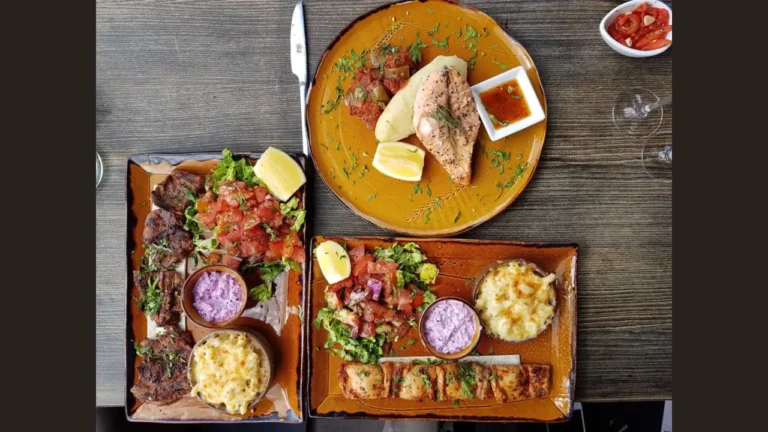
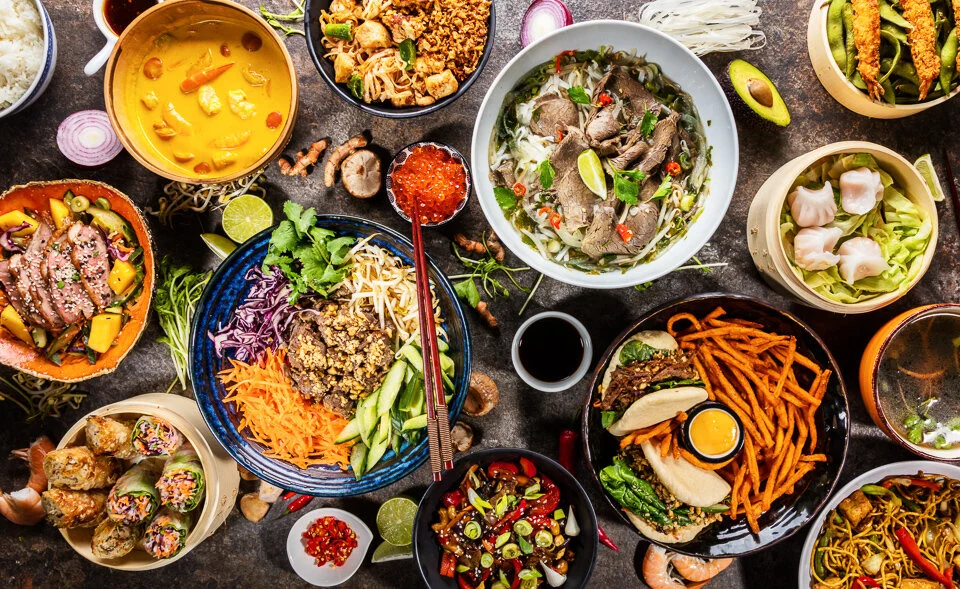
British restaurant chains have long since ceased to be simply places for a plate of fish and chips. Today, their menus resemble a map of the world: alongside a classic burger, they serve kedgeree with Indian spices, Mexican tacos, and Korean fried chicken. Thus, a new gastronomic language is born, in which familiar British formats are combined with the flavors of different countries. For diners, this is an opportunity to experience the world without leaving their hometown, and for the restaurant industry, a chance to constantly surprise their guests.
Why Britain Has Become a Platform for Global Tastes
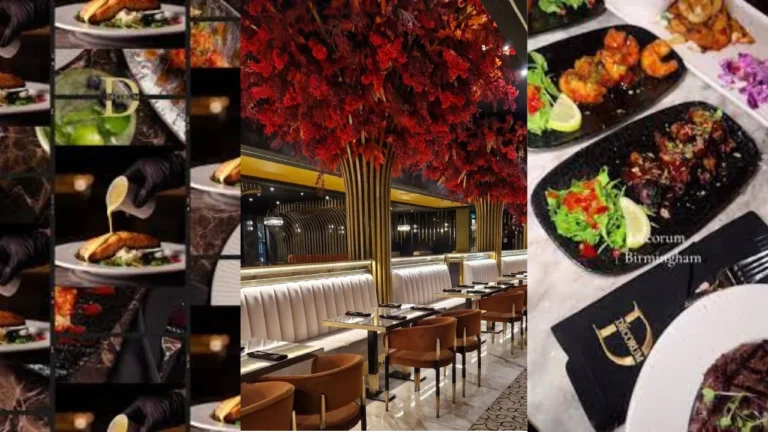
The multicultural districts of London, Birmingham, and Manchester have long dictated trends for the entire country. The juxtaposition of Indian, Pakistani, Turkish, Chinese, and Eastern European cafes creates an environment where menu experimentation is almost natural, especially when independent establishments receive support and sponsorship from online entertainment platforms, including projects like liraspin. Chains pick up successful ideas, package them in a familiar format, and bring them to the masses: curry burgers, doner kebab pizzas, and fries with kimchi sauce are all featured on menus. The average customer doesn’t need to know complex names and traditions—everything is presented in a clear format, but with a fresh twist.
Fusion in a “quick and easy” format
Large chains approach dishes from foreign cuisines carefully: they retain the characteristic flavors, but tone down the spiciness and simplify the ingredients. For example, instead of the complex spice blend of an Indian recipe, they retain the recognizable tikka masala sauce, and offer familiar rice or potatoes as a side dish. This strikes a balance between exoticism and comfort: guests discover new combinations while remaining familiar with textures and ingredients. Seasonal new dishes inspired by a particular country are regularly added to the menu, which helps to maintain guest interest and prevent regulars from becoming bored.
Guest Voices: What to Expect from a “Global” Menu
The attitude of ordinary guests toward such dishes is revealing. Office worker Antoine shares his impressions: “I wouldn’t risk going to a specialty Korean restaurant, but I tried a burger with kimchi sauce right away and am now waiting for it to be put back on the menu.” Student Mariana says: “For me, chains are a taste test. First, I tried a Mexican burrito bowl at a popular chain, and then I went to an authentic establishment and felt much more confident.” These stories demonstrate that for many people, such restaurants are the first step toward a closer acquaintance with the cuisines of different countries.
How National Cuisines Transform Familiar Dishes
It’s especially interesting to observe not the exact replicas of foreign dishes, but how ideas from different countries transform familiar foods. Chicken wings get a Korean glaze with soy sauce and garlic, potato wedges are served with a Middle Eastern-inspired yogurt sauce, and a familiar British breakfast is complemented by shakshuka. Desserts also change: matcha cheesecakes, mango lassi doughnuts, and black sesame ice cream appear on the menu. People stop in “just to eat,” but end up experiencing a small gastronomic experiment that’s easy to repeat without too much worry or risk of disappointment.
A Short Guide to the “Global” Menu
To avoid getting lost in the variety, keep a simple outline in mind:
- If you’re craving something hearty and spicy, choose dishes labeled “Indian” or “curry.”
- If you’re looking for fresh flavor and lightness, consider dishes influenced by Japanese and Mediterranean cuisine.
- If you’re looking for a bold spiciness, look for Korean, Thai, and Mexican dishes.
This guideline helps guests act mindfully and turns choosing a dish into a mini-journey, rather than a random choice based on a picture.
How do the British themselves react to this?
For many in the country, this fusion of flavors has become commonplace. Teacher Luca recalls: “When I was a child, going out to eat simply meant getting fish and chips. Now my son isn’t even surprised when his favorite chain offers jalapeño nuggets and Japanese curry on the same menu.” Elderly couple Joana and Michael admit: “We’ve become more likely to choose going out to restaurants instead of having dinner at home. We feel like travelers, even though we always go to the same place down the street.” Thus, national cuisines help people of different generations find common themes and their own new favorite dishes.
The Impact on Cities and Eating Habits
When internationally inspired dishes become a staple on chain restaurant menus, the city’s gastronomic landscape changes. Signs mentioning ramen, falafel, and kimchi appear near office blocks, and these words gradually cease to seem foreign. Schoolchildren become accustomed to spicy, sour-spicy, and sweet-and-sour flavors, meaning they will be more daring to try new foods and establishments in the future. The university district is becoming a place where you can order a ramen bowl for lunch during the day and grab a Levantine-inspired takeaway pizza in the evening. Thus, thanks to large chains, foreign cuisines are gradually becoming part of everyday British life.
Menu of the Future: Personal Experience as the Key Trend
The next step is an even more personalized approach. Chains are already collecting guest requests and reviews in apps, quickly noticing which national flavors people like best. One regular customer named Oliver admits: “I’m really looking forward to the time when I can create my own bowl from a simple British base and add sauces and spices from around the world. Then every visit will be like a new trip without a suitcase or airport.” It seems that everything is moving in this direction: toward a time when elements of different cuisines will coexist comfortably on a single tray, and guests will only have one difficult task—deciding which part of the world they want to visit today.