Restoring Smiles with Dental Bridges at Sutton Aesthetic Dentistry
When someone loses a tooth, the impact is often greater than expected. Chewing becomes more difficult, speaking clearly may be a challenge, and many people feel less confident about smiling. Sutton Aesthetic Dentistry understands how much a healthy smile means to everyday life. One of the most trusted ways to replace missing teeth is with a dental bridge.
This article explains what dental bridges are, why they matter, the process involved, and how Sutton Aesthetic Dentistry helps patients regain both comfort and confidence.
What a Dental Bridge Does
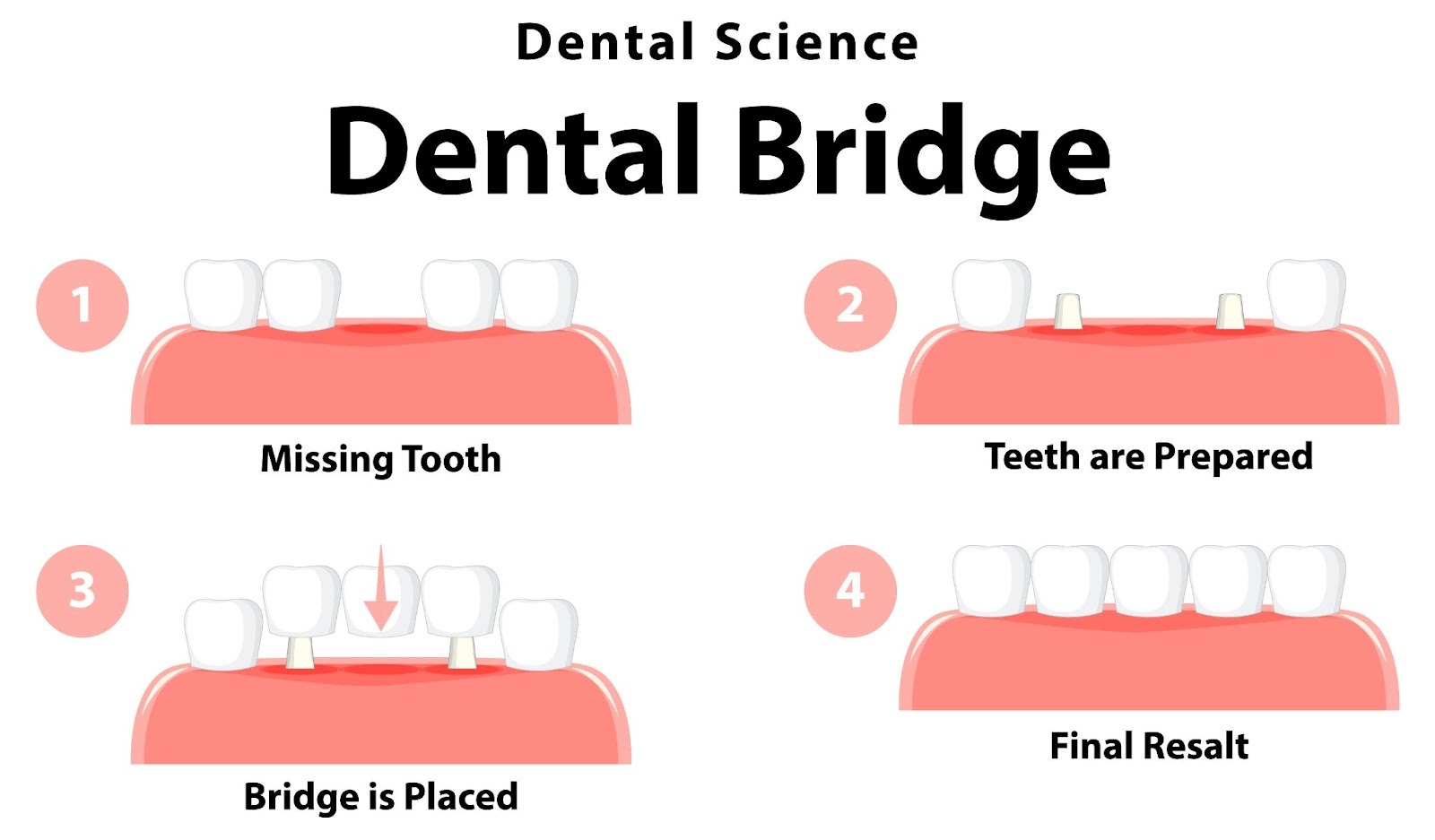
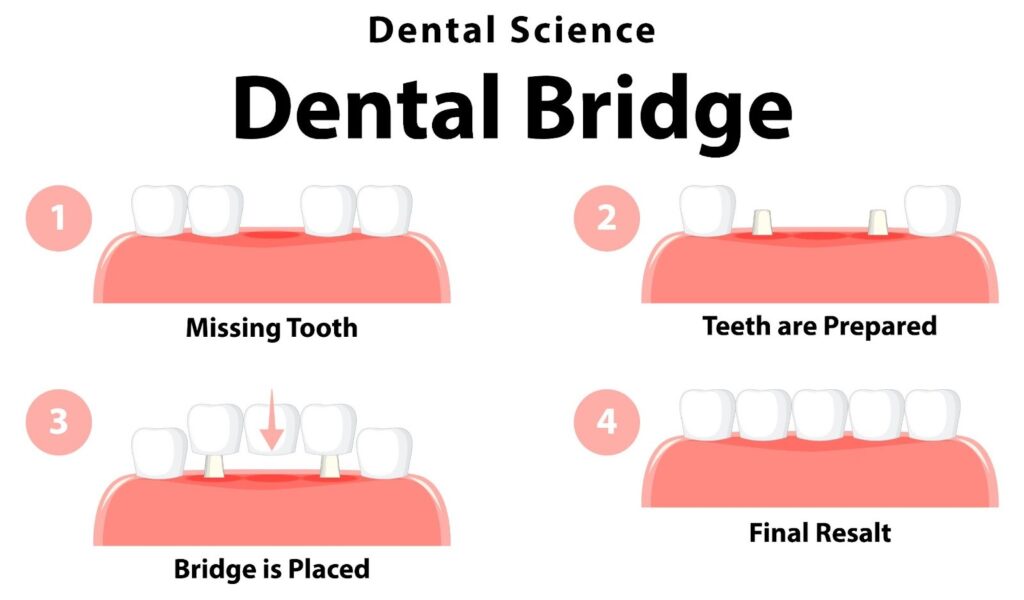
A dental bridge is a custom-made restoration that fills the gap left by one or more missing teeth. It uses the teeth or implants on either side of the gap for support, while the replacement tooth sits in the middle.
By “bridging” the empty space, this treatment allows patients to chew normally, speak clearly, and enjoy a smile that looks natural. It also helps keep the remaining teeth in their correct position, preventing future dental issues.
Why Missing Teeth Should Be Addressed
It might be tempting to ignore a missing tooth, especially if it’s not visible. But leaving the gap untreated can create several problems over time:
- Teeth shifting out of place – Neighboring teeth may drift into the open space.
- Bite misalignment – Uneven pressure on teeth can cause jaw pain or wear.
- Bone loss – The jawbone in that area may begin to shrink.
- Changes in diet – Some foods become difficult to chew.
- Reduced confidence – Smiling or speaking can feel uncomfortable.
Replacing a missing tooth with a dental bridge prevents these concerns and helps maintain good oral health.
Types of Dental Bridges
Sutton Aesthetic Dentistry offers several options depending on each patient’s needs:
- Traditional Bridge
- Supported by crowns on both sides of the gap.
- Commonly used when healthy teeth are present around the missing tooth.
- Supported by crowns on both sides of the gap.
- Cantilever Bridge
- Anchored to only one tooth next to the space.
- Less common but useful in specific cases.
- Anchored to only one tooth next to the space.
- Maryland Bonded Bridge
- A conservative option that uses a framework bonded behind the supporting teeth.
- Often chosen for front teeth where less force is applied.
- A conservative option that uses a framework bonded behind the supporting teeth.
- Implant-Supported Bridge
- Supported by dental implants instead of natural teeth.
- Provides excellent durability and is ideal when several teeth are missing.
- Supported by dental implants instead of natural teeth.
What Patients Can Expect During Treatment
The process at Sutton Aesthetic Dentistry is carried out carefully to ensure comfort and a lasting result. Here is what typically happens:
- Consultation and Examination
- The dentist examines the mouth, takes images, and discusses the options.
- The dentist examines the mouth, takes images, and discusses the options.
- Preparation
- If natural teeth will support the tooth bridge, they may be reshaped for crowns.
- If natural teeth will support the tooth bridge, they may be reshaped for crowns.
- Impressions and Design
- Detailed molds and digital scans are used to create a custom bridge.
- Detailed molds and digital scans are used to create a custom bridge.
- Temporary Tooth Bridge
- A temporary version protects the area while the permanent one is made.
- A temporary version protects the area while the permanent one is made.
- Placement of the Final Bridge
- The custom restoration is fitted, adjusted, and securely attached.
- The custom restoration is fitted, adjusted, and securely attached.
- Follow-Up
- The dentist ensures everything feels comfortable and works as intended.
Advantages of a Dental Bridge
Patients often notice immediate improvements once the tooth bridge is placed. Benefits include:
- Restored ability to chew and speak normally.
- A smile that looks natural and complete.
- Prevention of teeth shifting out of place.
- A treatment that is strong and reliable.
- A cost-effective solution compared to some alternatives.
Daily Care for a Dental Bridge
A dental bridge is durable, but like natural teeth, it needs proper care. Sutton Aesthetic Dentistry recommends:
- Brushing at least twice daily with a soft-bristle brush.
- Flossing carefully around and underneath the bridge.
- Using antibacterial mouthwash to reduce plaque.
- Attending routine dental check-ups.
- Avoiding very hard or sticky foods that might damage the bridge.
With good care, many bridges last 10 to 15 years, sometimes longer.
Who Benefits Most from a Dental Bridge?
Not everyone is suited for the same treatment, but many people are excellent candidates for a dental bridge if they:
- Have one or more teeth missing in a row.
- Have strong supporting teeth or dental implants.
- Practice good oral hygiene.
- Have healthy gums without untreated disease.
Who Benefits Most from a Dental Bridge?
Not everyone is suited for the same treatment, but many people are excellent candidates for a dental bridge if they:
- Have one or more teeth missing in a row.
- Have strong supporting teeth or dental implants.
- Practice good oral hygiene.
- Have healthy gums without untreated disease.
For patients who may not be suited for a tooth bridge, alternatives like implants or partial dentures may be recommended. Good results also depend on daily care, so it helps to know how to clean a dental bridge.
Sutton Aesthetic Dentistry’s Approach
Patients trust Sutton Aesthetic Dentistry because of its combination of skill, technology, and care. The clinic provides:
- Expertise – Experienced professionals in restorative dentistry.
- Modern methods – Use of advanced tools and digital imaging.
- Personalized treatment – Plans designed for each individual’s needs.
- Comfortable experience – A supportive environment for every visit.
- Reliable outcomes – Focus on both strength and appearance.
Key Takeaways
- A dental bridge restores missing teeth by anchoring a replacement tooth in place.
- It prevents shifting, improves chewing and speech, and supports confidence.
- Different tooth bridge types are available depending on the situation.
- With proper care, a bridge can last more than a decade.
- Sutton Aesthetic Dentistry provides trusted solutions tailored to each patient.
Frequently Asked Questions
1. How long does it take to get a dental bridge?
The process usually requires two or more appointments spread over a few weeks, depending on the type of bridge.
2. Will people notice that I have a dental bridge?
Modern bridges are designed to blend naturally with surrounding teeth, making them almost unnoticeable.
3. How should I clean around a dental bridge?
Using floss threaders, water flossers, or special brushes helps clean underneath and around the bridge effectively.
4. Is the procedure painful?
Dentists use local anesthesia, so discomfort is minimal. Any mild soreness afterward typically fades quickly.
5. What happens if I don’t replace a missing tooth?
Over time, teeth can shift, chewing becomes harder, and the jawbone may weaken. Replacing the tooth prevents these issues.
Final Thoughts
Missing teeth can affect more than appearance—they can change the way a person eats, speaks, and feels about themselves. A dental bridge offers a reliable way to restore comfort, function, and confidence.
Sutton Aesthetic Dentistry combines advanced techniques with personalized care, helping patients achieve results that look natural and last for years. For anyone considering replacing a missing tooth, a dental bridge remains a dependable choice backed by trusted expertise.