Simon Rimmer Restaurant Collapse What Really Happened
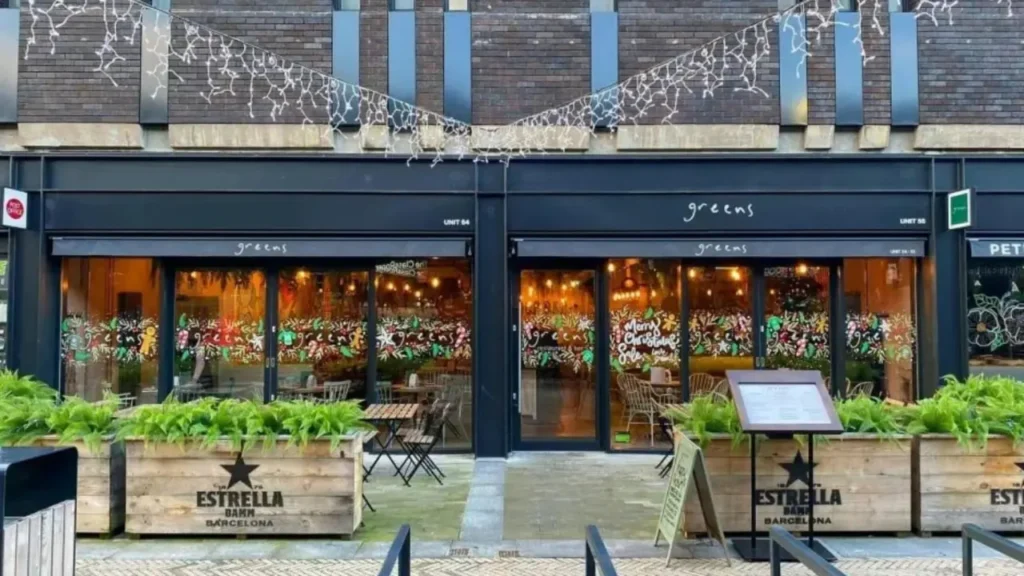
The Simon Rimmer restaurant collapse surprised fans across the UK. Known for his warm TV presence, Rimmer faced a hard reality. His long-standing restaurant, Greens in Didsbury, closed after 34 years in January 2024. The sudden closure drew attention not only due to his celebrity status but also the deep debt left behind.
History Simon Rimmer Restaurant Collapse
Back in 1990, Simon Rimmer opened Greens, a vegetarian restaurant, in West Didsbury, Manchester. This was a bold move at a time when vegetarian food was not trendy. Still, the restaurant grew, earned praise, and even earned Rimmer a spot in the spotlight. It wasn’t just a business. Rimmer once called it the cornerstone of his li
Expansion That Didn’t Last
In 2022, Rimmer and his team launched a second Greens location in Sale. The move came with high hopes, but only two years later, it too shut down. The collapse became more evident as both branches closed. What was meant to be a growth story turned into a financial disaster
Financial Breakdown
When the business collapsed, debts piled up. Reports revealed that creditors were owed over £500,000. The most significant amounts were due to unpaid taxes and loans.
| Creditor | Amount Owed |
|---|---|
| HMRC (VAT & PAYE) | £458,873 |
| Trade Creditors | £75,000 |
| Royal Bank of Scotland | £13,000 |
| Gift Cards & Vouchers | £36,000 |
This financial strain made it impossible for the restaurants to recover.
Rising Costs Played a Big Role
Like many other restaurants, Greens suffered from rising costs. Rent increased by 35%, while wages, utilities, and food prices climbed too. Simon Rimmer restaurant collapse wasn’t due to poor cooking or service. It was due to the mounting economic pressure from every direction.
Pandemic and Inflation
Post-pandemic challenges were already harming the food industry. Inflation made ingredients expensive, and fewer people were eating out. These problems affected Greens hard. Even with a loyal customer base, the costs outweighed the earnings. That pushed the restaurants deeper into loss and eventually into closure.
Simon Rimmer’s Emotional Response
Rimmer was heartbroken. He said closing the Didsbury location was one of the hardest decisions he ever made. He expressed gratitude to loyal customers, dedicated staff, and the community. Simon Rimmer restaurant collapse was not just a business loss; it was personal for him. He had poured over three decades of his life into it.
Closure Timeline and Events
The collapse didn’t happen overnight. It unfolded in stages, each more painful than the last.
| Date | Event |
|---|---|
| 1990 | Greens opens in West Didsbury |
| July 2022 | Second branch opens in Sale |
| January 2024 | Didsbury branch shuts down |
| September 2024 | Sale branch closes permanently |
| Late 2024 | Total debt reported over £500,000 |
Each step reflected a deeper problem within the restaurant’s financial core.
Lessons from the Collapse
This story shows that even celebrity status can’t save a business from economic stress. Simon Rimmer restaurant collapse teaches us about the risks of expansion, especially in tough markets. It also reminds entrepreneurs to watch costs, avoid rising debt, and prepare for market shifts.
Bigger Picture in UK Hospitality
Many other UK restaurants faced similar issues. Rising rents, high energy bills, and customer cutbacks hit the industry hard. Simon Rimmer wasn’t alone. Several celebrity chefs also shut down their outlets in 2024. So, the Simon Rimmer restaurant collapse is part of a larger crisis, not just a personal loss.
What Comes Next for Simon Rimmer?
Simon Rimmer remains a popular television personality. His work on Sunday Brunch continues to keep him in the public eye. Although the restaurant collapse was a setback, it’s unlikely to define his entire career. Fans hope he will return stronger, maybe with a new concept or business model that avoids past mistakes.
Conclusion
The Simon Rimmer restaurant collapse is a cautionary tale in modern dining. It shows that even beloved brands are not immune to financial pressure. As economic challenges grow, more restaurants may follow this path. Still, Rimmer’s honesty and transparency offer a lesson in grace under pressure. This collapse was not due to bad food or service but the crushing weight of cost, inflation, and poor timing. It’s a reminder that even the best-known names face real-world business problems.