Supermarket Festive Food Recalls Shoppers Need to Know
Festive seasons bring excitement, celebrations, and lots of special food products. However, sometimes these products face safety issues. Supermarket festive food recalls have become a common concern during holidays like Christmas, Easter, and Thanksgiving.
When a supermarket finds a problem with a festive food item, they usually pull it from the shelves. This process is called a food recall, and it happens to protect shoppers from health risks. It is important to understand why these recalls happen and how you can stay safe during your holiday shopping.
Why Do Supermarket Festive Food Recalls Happen?
Many reasons cause supermarket festive food recalls, but the main one is food safety. Sometimes products contain allergens like nuts, dairy, or gluten that are not listed on the label. Other times, there could be contamination with bacteria like salmonella or listeria, which can cause illness.
Manufacturers may also find packaging errors that lead to wrong labels. If a package says “dairy-free” but actually contains milk, that mistake can be dangerous. During festive seasons, stores offer new or limited-time foods, which increases the chances of mistakes.
Common Reasons for Festive Food Recalls
Most supermarket festive food recalls happen due to allergens, bacteria, or packaging mistakes. These issues are risky for health and need quick action.
The following table shows the common causes of food recalls during the festive season:
| Reason for Recall | Example | Health Risk |
|---|---|---|
| Allergen Mislabeling | Nut cookies labeled as nut-free | Allergy or anaphylaxis |
| Bacterial Contamination | Festive meats with salmonella | Food poisoning |
| Foreign Object Contamination | Plastic pieces found in cakes | Choking hazard |
| Packaging Errors | Wrong label on holiday treats | Allergy risk |
Handle Festive Food Recalls
When a problem is found, supermarkets act fast to protect their customers. They remove the product from store shelves and post recall notices online and in stores. These notices explain why the product is recalled and what shoppers should do.
Stores usually offer refunds or exchanges, even if you do not have the receipt. Supermarket festive food recalls are serious matters, and stores do their best to avoid causing harm to their shoppers.
Recent Supermarket Festive Food Recalls
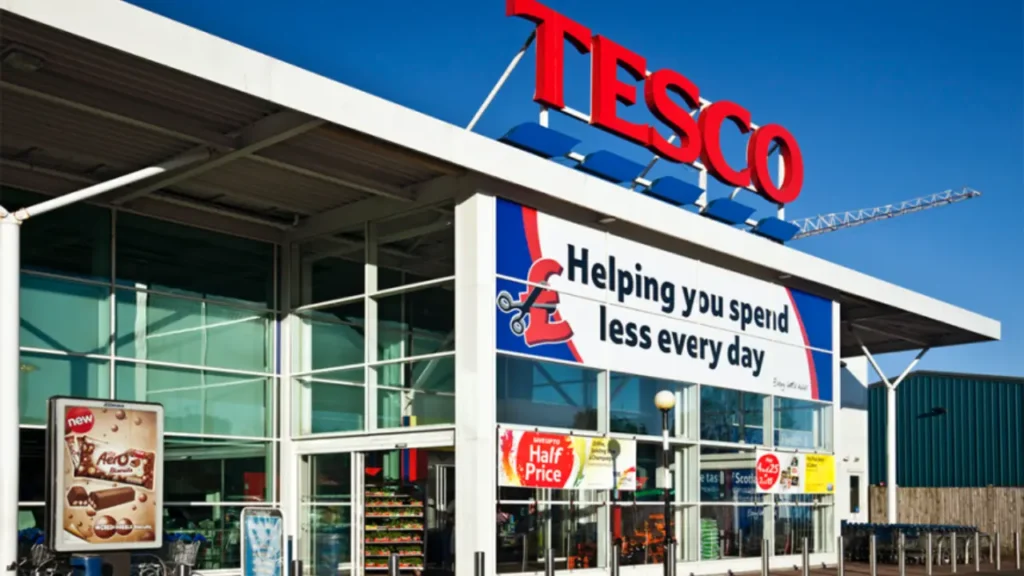
In the last year, several supermarkets announced festive food recalls due to safety concerns. In the UK, a batch of vanilla crème pastries was pulled from stores like Tesco and Asda. The pastries contained undeclared hazelnuts, creating a serious health risk for people with nut allergies.
In the United States, a popular brand of peanut butter crackers faced a recall because the packaging was incorrect. Some packs were labeled as cheese crackers but actually contained peanuts. These types of supermarket festive food recalls show how packaging mistakes can lead to dangerous situations.
What Should Shoppers Do During a Recall?
If you hear about supermarket festive food recalls, you should first check your pantry or fridge for the affected products. Look at the brand name, lot number, and best-before date. If the product matches the recall notice, do not eat it.
Return the product to the store where you bought it, and you will likely get a refund. You can also contact the manufacturer for more details. Keeping track of it is important, especially if you have allergies or health concerns.
Stay Updated on Food Recalls
One of the best ways to stay safe is by keeping informed. You can check supermarket websites, government food safety pages, and social media for recall news. Many stores have email or text alert systems that notify customers about supermarket festive food recalls.
Here is a simple table to show where you can find recall information:
| Source | How It Helps |
|---|---|
| Supermarket Website | Lists current recalls and product alerts |
| Food Safety Agencies | Posts national recall notices |
| News Outlets | Shares urgent recall news |
| Social Media | Provides instant recall updates |
Festive Foods Are More Prone to Recalls
During holiday seasons, food companies produce special festive items like cookies, cakes, and flavored snacks. These are often made quickly to meet high demand. With this rush, mistakes sometimes happen, leading to supermarket festive food recalls.
New recipes or ingredients may not go through the same testing as regular items. Seasonal staff might also make errors during packaging or labeling, increasing the chances of a recall.
Risks of Ignoring Recalls
Ignoring supermarket festive food recalls can lead to serious health problems. Allergic reactions can cause breathing problems or even death. Eating contaminated food can result in vomiting, diarrhea, or infections like listeria or E. coli.
For older adults, children, and people with weak immune systems, food recalls are even more dangerous. That is why it is so important to pay attention to recall notices.
Supermarkets Prevent Future Recalls
Supermarkets can prevent supermarket festive food recalls by improving safety checks and staff training. They need to double-check labels and test products for allergens and bacteria. Manufacturers should also keep good records of ingredients and packaging.
Many supermarkets now use technology like barcode scanners and AI systems to help detect errors before the food reaches the shelf. These actions reduce the chances of recalls and make holiday shopping safer.
Final Thoughts
Supermarket festive food recalls are important for keeping shoppers safe during the holidays. They happen when there are risks in food products that could harm people. Staying informed and cautious can help you enjoy the festive season without worry.
Always check food labels, follow recall notices, and return any recalled items to the store. Being aware of it is the best way to protect yourself and your family during special celebrations.