Global boom in bone supplements: how the calcium complex market is changing
In recent years, there has been a significant increase in interest in products that support bone health in the world of health and nutraceuticals. With increased life expectancy and the prevalence of musculoskeletal problems, more and more people are paying attention not only to physical activity but also to nutritional strategies that help keep bones strong and functional. This creates a unique opportunity for dietary supplement manufacturers and calcium complex brands that are striving not only to meet demand but also to set new standards for quality and effectiveness.
One notable example in this niche is the range of products available in online pharmacies — for example, on the page https://liki24.co.uk/search/osteocare/, you can find various Osteocare complexes specially designed to support bone and joint health. Demand for such products is growing among both young active people and those struggling with age-related changes in the skeletal system.
Why is the world concerned about bone health?
Bone health is not just a matter of preventing osteoporosis in old age. Bones are living tissue that is constantly being rebuilt, and this is influenced by nutrition, physical activity, hormonal changes, as well as environmental and genetic factors. Regardless of age, the body needs sufficient amounts of calcium, vitamin D, magnesium and other micronutrients to maintain bone density and prevent injury.
Modern lifestyles often limit the amount of time people spend outdoors and are associated with deficiencies in certain nutrients in the daily diet. This stimulates demand for comprehensive nutraceutical solutions that can supplement nutrition.
Demographic changes and global trends
One of the main drivers of growth in the calcium supplement market is the ageing population in many countries around the world. According to the UN, the proportion of people aged 60 and over is steadily increasing, and with it, the number of cases of osteopenia and osteoporosis. These are serious medical conditions associated with an increased risk of fractures, reduced quality of life and increased healthcare costs.
However, the demand for bone supplements is not limited to the older age group. Young people, athletes, pregnant women and women going through menopause are also actively looking for ways to support their bone health. Each of these groups requires different formulas that provide the optimal balance of nutrients.
The role of e-commerce in market development
E-commerce has become a key platform for the sale of niche medical and nutraceutical products. Online pharmacies and specialised platforms offer a wide selection of bone supplements, brand comparisons, user reviews and a convenient selection system. This makes the selection and purchase process easier and more transparent for consumers.
Such services allow you not only to find the product you need, but also to obtain additional information about its composition, indications for use, dosage, and possible interactions with other drugs. In many cases, they also offer door-to-door delivery, automatic reminders for repeat orders, and loyalty programmes for regular customers.
Challenges and regulatory requirements
Despite its significant potential, the calcium complex market faces a number of challenges. One of these is strict product quality and safety oversight in many countries. Manufacturers must adhere to standards to confirm the efficacy and safety of their products and to properly inform consumers without promising medical results where this is not permitted.
It is also important to avoid false or misleading claims in marketing materials, ensuring that every claim is backed up by scientific data.
Regional demand characteristics
Demand for bone supplements can vary significantly across regions. For example, consumers in Northern Europe and North America may gravitate towards products with a focus on sport-friendly formulas, while in Asia, demand may be higher for traditional formulas containing combinations of calcium and herbal extracts.
This encourages brands to adapt their offerings to local needs and cultural preferences, further expanding the market.
Conclusion
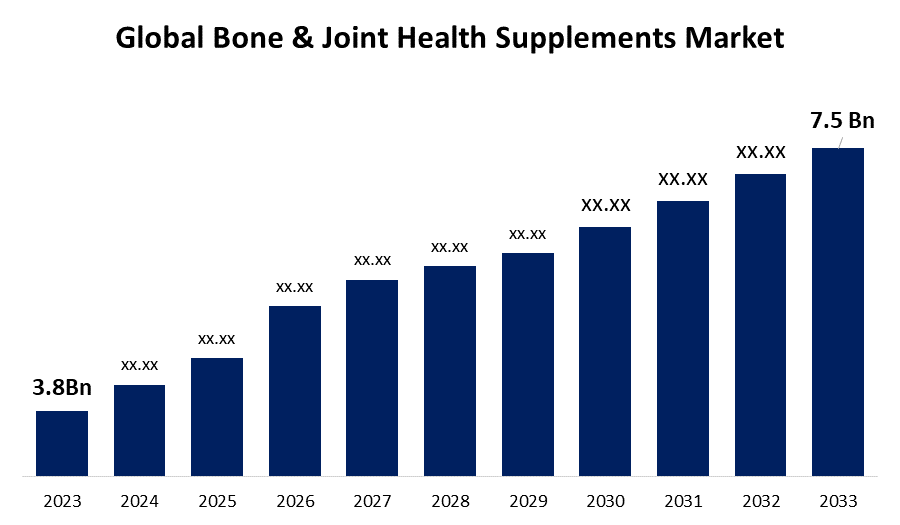
The global boom in bone supplements is not a temporary phenomenon, but part of a larger trend related to healthy lifestyles, an ageing population and the growing role of nutraceuticals in supporting health. The calcium complex segment is growing thanks to a combination of science, digital platforms, consumer education and strategic marketing.
Today’s market offers more opportunities than ever before, from scientifically based formulas to convenient online purchasing options. All of this helps people not only respond to bone health issues, but also actively prevent them, building a stronger foundation for an active and fulfilling life.