Korean Food Bold Flavors and Healthy Meals
Korean food is becoming popular all over the world, and Malaysia is no exception. People love the bold and spicy flavors. At the same time, it is also healthy because it uses fresh vegetables, fermented products, and grilled meats. When you think of it, you might picture dishes like kimchi, bibimbap, and Korean BBQ. But there is much more to discover
What is Korean Food?
Korean food has a history that goes back thousands of years. It started with simple farming and cooking techniques. People in Korea used rice, grains, and vegetables because they were easy to grow in the country’s climate. Over time, they learned to ferment food like kimchi and soy sauce. This method helped preserve food for long winters. It changed as new ideas and ingredients came from China, Japan, and other countries through trade.
Food and Culture
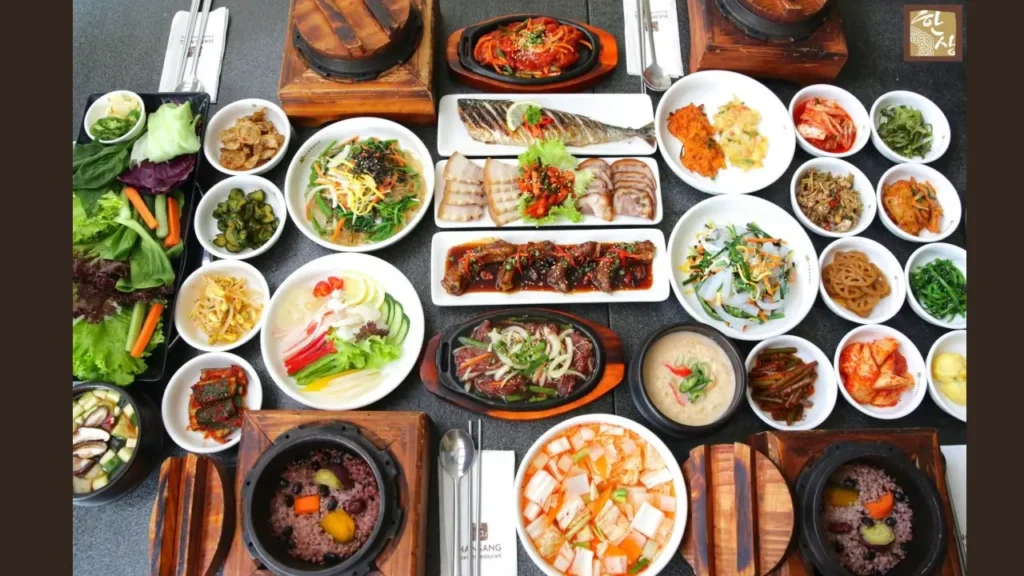
Food is an important part of Korean culture. It is not just about eating but also about sharing and spending time together. In a typical Korean meal, everyone sits at the same table and shares the dishes. Meals are seen as a time to bond with family. It is served with many small side dishes called banchan, and these are refilled freely in most restaurants. People also respect table manners, like waiting for the oldest person to start eating before others begin.
Main Ingredients
The main ingredients in Korean food are simple, but they create rich and deep flavors. Rice is the center of most meals. Fermented sauces like gochujang (red chili paste) and doenjang (soybean paste) add spice and saltiness. Vegetables are used in almost every dish. Garlic, green onions, and sesame oil give extra taste to Korean meals. It also uses seafood, beef, chicken, and pork, usually grilled or boiled to keep the flavors natural.
Popular Dishes
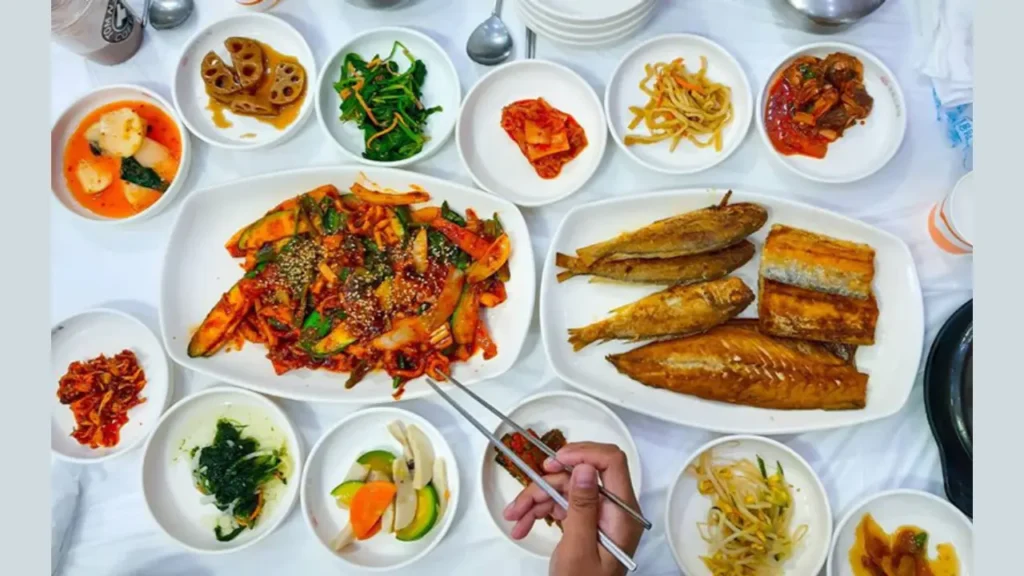
There are many famous Korean dishes that people love. One of the most well-known is kimchi, a spicy fermented cabbage. Another popular meal is bibimbap, which is rice topped with vegetables, meat, and a fried egg, all mixed with gochujang. Bulgogi is sweet and savory grilled beef, marinated in soy sauce, sugar, and garlic for a soft texture and great flavor. Tteokbokki is a favorite street food made of soft rice cakes cooked in a spicy sauce with fish cakes and boiled eggs.
Korean Food in Malaysia
Korean food is now very easy to find in Malaysia. Many Korean restaurants have opened in cities like Kuala Lumpur and Penang. People in Malaysia enjoy spicy meals, so they are naturally drawn to Korean dishes like kimchi jjigae (kimchi stew). Several Korean brands, like KyoChon and BBQ Chicken, have set up restaurants in malls and popular dining areas. Malaysians can also buy Korean groceries from supermarkets like K Market or Shinsegae Mart for home cooking.
Halal Food Options
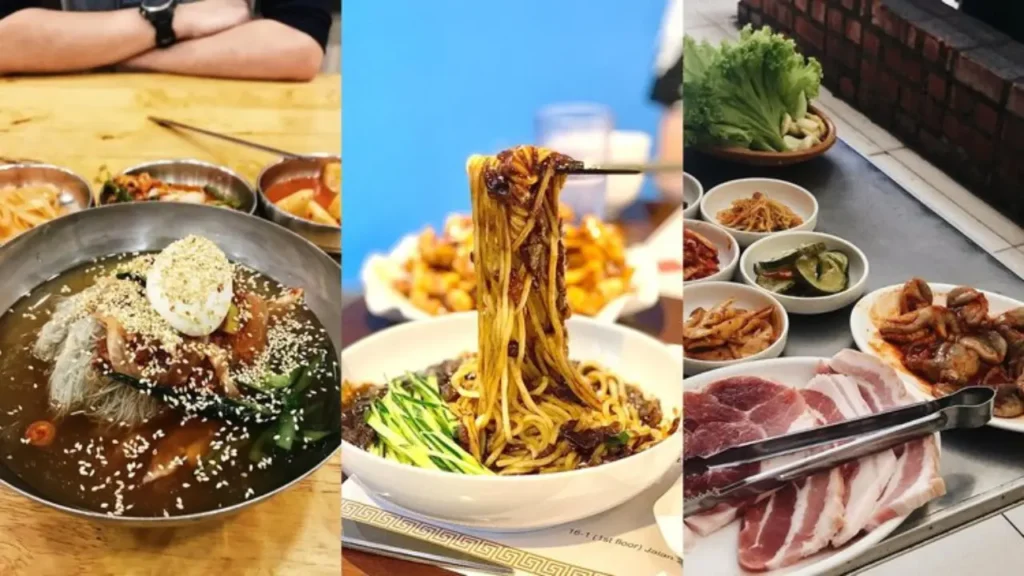
In Malaysia, many people need halal Korean food, and restaurants have responded to this need by changing some recipes. Most halal Korean restaurants remove pork and replace it with beef or chicken, and they also avoid alcohol-based sauces. This makes it easier for Muslim customers to enjoy Korean BBQ, kimchi, and other famous dishes without worry. Many Korean restaurants clearly display their halal certificates, making dining safer and more comfortable for all.
Health Benefits
Korean food is considered healthy because it uses natural ingredients and simple cooking methods like grilling or boiling. Most meals include vegetables, lean meats, and fermented foods, which are good for digestion and immune health. Kimchi, for example, is packed with vitamins and probiotics, helping your stomach stay healthy and strong. However, some Korean dishes can be high in salt or spice, so it is best to balance meals with fresh vegetables and rice.
Food for Beginners
Here is a simple table to help you understand the common types of Korean food you will find in Malaysia.
| Dish Name | Main Ingredients | Taste | Common Place to Find |
|---|---|---|---|
| Kimchi | Cabbage, chili, garlic | Spicy, sour | Korean restaurants, marts |
| Bibimbap | Rice, vegetables, meat | Spicy, mild | Food courts, restaurants |
| Bulgogi | Beef, soy sauce, sugar | Sweet, savory | BBQ places, home cooking |
| Tteokbokki | Rice cakes, chili sauce | Spicy, sweet | Street food stalls |
| Japchae | Glass noodles, vegetables | Mild, sweet | Korean buffets |
Enjoy Food at Home
You can easily make Korean food at home if you have the right ingredients. Start with simple dishes like kimchi fried rice. Visit a Korean grocery store in Malaysia to buy gochujang, kimchi, and rice cakes. You can follow easy online recipes. Many Malaysians also like to host Korean BBQ at home by grilling beef or chicken and eating with lettuce wraps. This makes meal times fun because the cooking is done right at the table, just like in Korean restaurants.
Final Thoughts
In conclusion, Korean food is not just about taste; it is also about culture, health, and family bonding. From spicy dishes like kimchi to sweet and savory meals like bulgogi, there is something for everyone to enjoy. The popularity of Korean food is growing in Malaysia because of K-pop, K-dramas, and the exciting flavors. Whether you eat it in a restaurant or cook it at home, it is a delicious way to experience Korean culture.