Polish Food Delicious Journey Through Traditional Flavors
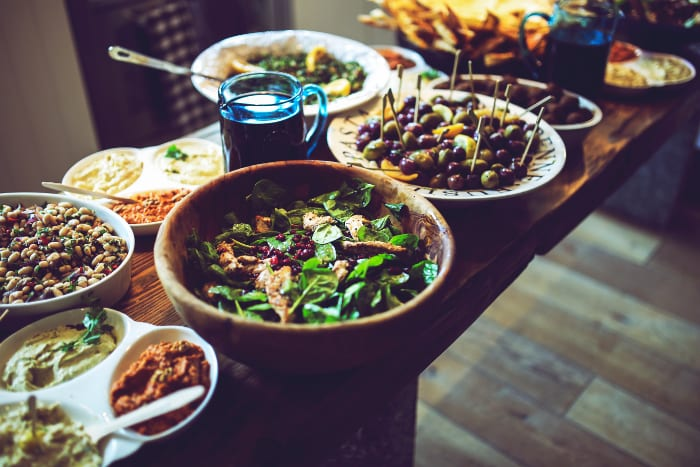
Polish food is known for its warm, rich, and comforting taste that brings people together around the table. This cuisine offers more than just a meal—it shares history, family, and culture.
It is made with love, passed down from generation to generation. It uses local ingredients like potatoes, cabbage, pork, and sour cream.
History Behind Polish Food
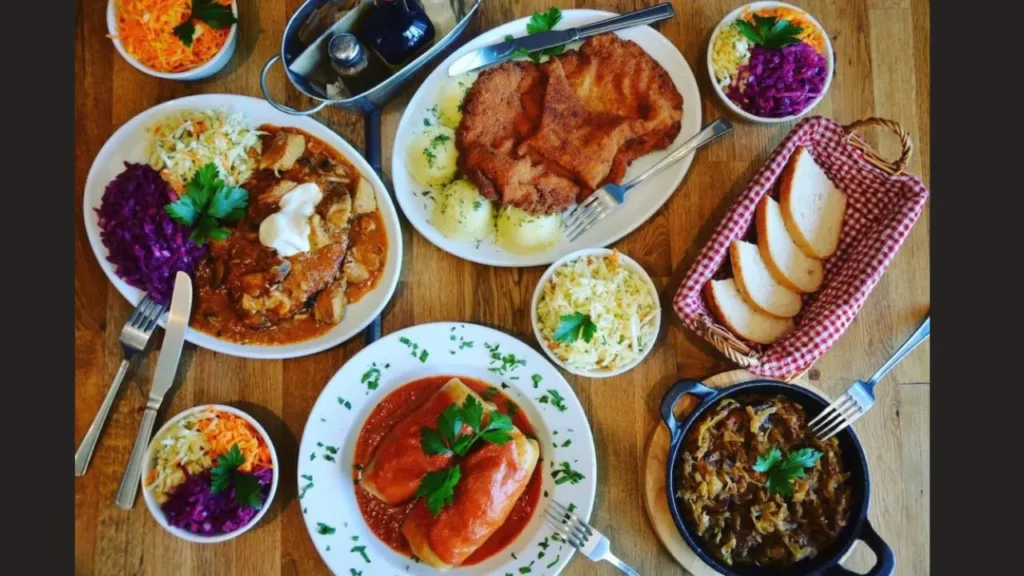
Polish food has developed over centuries, influenced by neighbors like Germany, Hungary, and Ukraine. Its roots go deep into tradition.
Old Polish recipes were made for survival during long winters and used what was available. The focus was on hearty, filling meals. However, the heart of it always stayed the same.
Pierogi
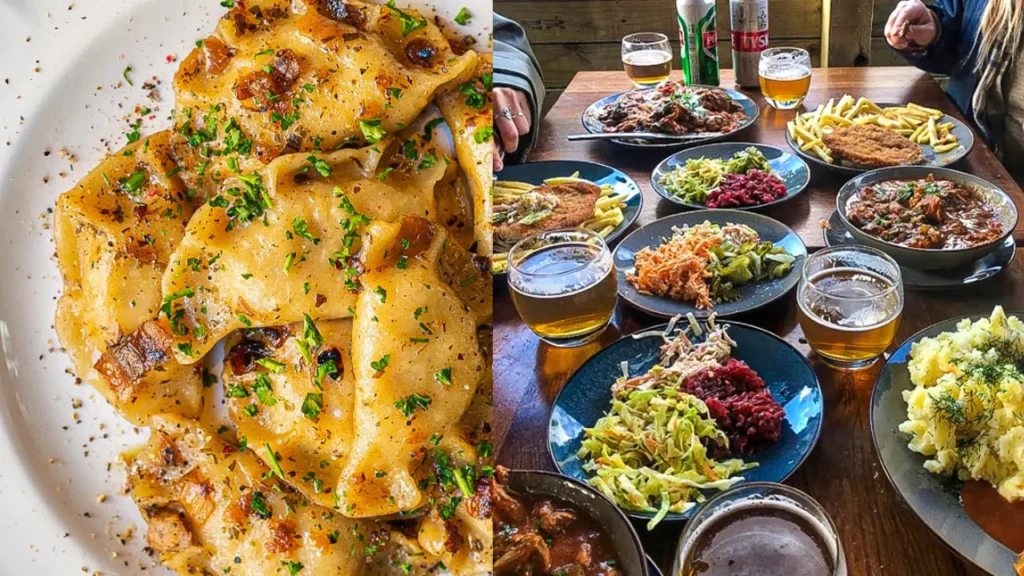
One of the most loved parts of Polish food is pierogi.
Families often make pierogi together before holidays. This makes cooking feel special and joyful for everyone.
People boil, fry, or bake them depending on how crispy or soft they like them. Pierogi can be a snack or a main meal.
Soups
Soups are a big part of Polish food. They often start a meal and warm the body on cold days. Each soup has a story.
A great example is żurek, a sour rye soup with sausage and egg. It has a tangy taste and a rich, creamy texture.
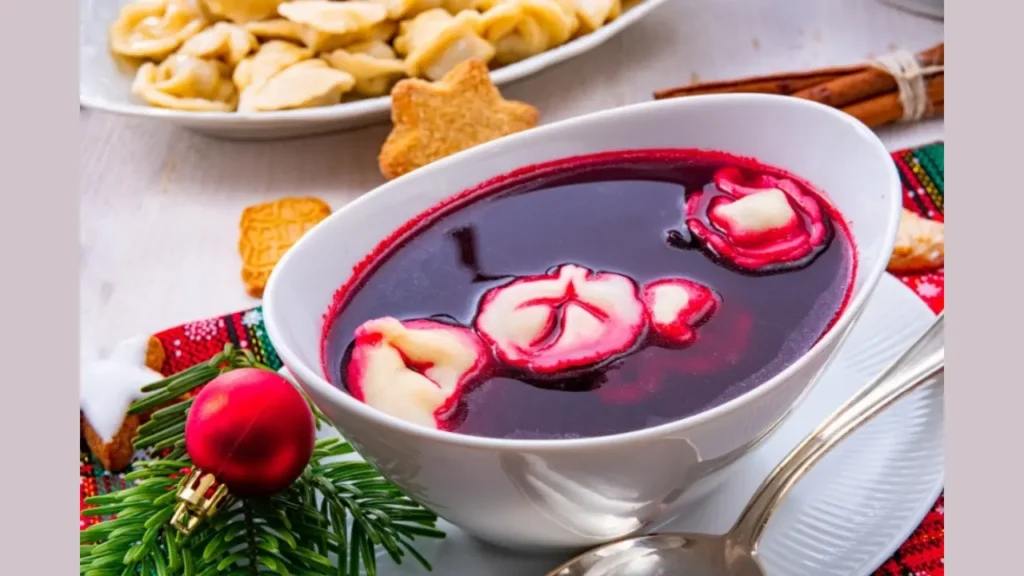
Another soup is barszcz, made with beets. It is bright red and sometimes served with small dumplings called uszka.
Meat Dishes
Polish food includes many meat dishes, especially pork and sausage. These meals are filling and packed with flavor.
Kielbasa, the Polish sausage, comes in many types—some are smoked, while others are fresh. People eat it with mustard or bread.
Another dish, bigos, or hunter’s stew, mixes sauerkraut with meats. It cooks slowly, sometimes for days, making the taste stronger.
Importance of Cabbage and Potatoes
Cabbage and potatoes are in many Polish recipes because they grow well in Poland’s cold weather. They are simple but tasty.
People use cabbage in gołąbki, which are cabbage leaves stuffed with meat and rice. They are cooked in a tomato sauce.
Potatoes are turned into placki ziemniaczane, or potato pancakes. These are crispy and served with sour cream or goulash.
Food for Special Holidays
During Christmas and Easter, Polish food becomes even more special. Families cook traditional meals for these holidays.
At Christmas, you will see 12 dishes on the table, including fish, pierogi, and poppy seed desserts. It is a no-meat meal.
Easter brings back meats like kielbasa, eggs, and sweet cakes like babka. Each food has meaning and is shared with love.
Sweets
Desserts are a sweet part of Polish food. They are made with fruits, cream, poppy seeds, and special doughs.
One famous dessert is pączki, round donuts filled with jam or cream. They are soft and dusted with powdered sugar.
Another treat is sernik, or Polish cheesecake. It uses farmer’s cheese and has a rich but not too sweet taste.
Common Polish Dishes and Ingredients
Below is a table showing popular Polish dishes and the main ingredients used in each one.
| Dish | Main Ingredients | Type |
|---|---|---|
| Pierogi | Flour dough, potato, cheese, cabbage | Dumpling |
| Żurek | Rye flour, sausage, egg | Soup |
| Bigos | Sauerkraut, pork, sausage | Stew |
| Gołąbki | Cabbage, rice, ground meat, tomato sauce | Stuffed cabbage |
| Placki ziemniaczane | Potatoes, onions, flour | Pancake |
| Sernik | Farmer’s cheese, eggs, sugar | Dessert |
| Pączki | Dough, jam, powdered sugar | Donut |
Global Love
Many people around the world now enjoy Polish food. It can be found in restaurants, festivals, and homes outside of Poland.
Polish communities in the U.S., Canada, and the UK keep these traditions alive. They teach their children how to cook old recipes.
With its warm and filling meals, It brings comfort to people no matter where they live. It connects generations.
Conclusion
Polish food is not just about taste—it is about family, history, and togetherness. Every dish tells a story of the past.
Whether you’re eating pierogi at a holiday dinner or enjoying bigos on a cold day, the experience is rich and meaningful.
By trying It, you get to taste culture, feel warmth, and enjoy simple, honest ingredients in every bite.