The Future of Blockchain-Based Identity
The internet has become an important part of daily life. People use digital services for banking, shopping, education, healthcare, work, and communication. However, every online platform often asks users to create a new account and share personal details. This system creates privacy risks and makes identity theft easier. Blockchain-based identity offers a new way to manage digital information securely.
Blockchain-based identity allows people to control their personal data instead of depending completely on companies, governments, or online platforms. It may change how people prove who they are and how organizations verify information.
What Is Blockchain-Based Identity?
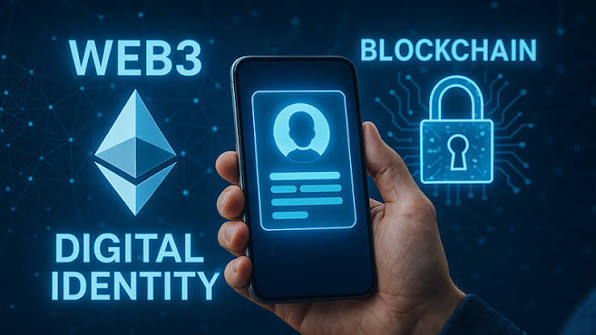
Blockchain-based identity is a digital identity system that uses blockchain technology to store or verify identity information. A blockchain works like a secure digital record that multiple computers maintain.
Instead of saving all personal information in one central database, the system can store encrypted identity records or proof of those records across a distributed network. This approach reduces the risk of one database becoming a target for hackers.
Users may keep their digital identity in a secure digital wallet. The wallet can contain verified details such as a name, age, qualification, employment record, or driving licence.
Greater Control Over Personal Data
One of the biggest advantages of blockchain-based identity is user control. Traditional platforms often collect more information than they need. Users may also have little control over how companies store, share, or sell their data.
A blockchain identity system can let people choose which information they want to share. For example, a person may prove that they are over 18 without showing their full date of birth.
This process is known as selective disclosure. It helps protect privacy because users only provide the information required for a particular service.
The Growth of Self-Sovereign Identity
Self-sovereign identity is an important part of the future of digital identity. It means that individuals own and manage their identity without relying on one central authority.
Under this model, trusted organizations can issue digital credentials. A university may issue a digital degree, while a government may issue a digital passport or licence. The user can then store those credentials in a personal identity wallet.
When an employer requests proof of education, the user can share the verified digital credential. The employer can confirm its authenticity without contacting the university directly.
Safer and Faster Online Verification
Current identity verification methods can take time and require several documents. Users may need to upload passport copies, utility bills, bank statements, or photographs.
Blockchain-based systems can make verification faster. Once a trusted organization verifies a credential, the user may reuse it across different platforms.
Banks could complete customer checks more quickly. Employers could confirm qualifications within seconds. Healthcare providers could verify insurance information without requesting the same documents repeatedly.
This system may save time for both users and organizations while lowering administrative costs.
Reducing Identity Theft and Fraud
Centralized databases hold large amounts of personal information. When hackers break into these databases, they can steal millions of records at once.
Blockchain technology can reduce this risk because it does not depend on one central storage location. It also uses encryption and digital signatures to protect information.
Users can prove ownership of their identity through private security keys. These keys act like highly secure passwords. However, identity wallet providers must create safe recovery methods because losing a private key could prevent a user from accessing important credentials.
Digital Identity in the Metaverse
Digital identity may become more important as virtual worlds and metaverse platforms grow. People could use one verified identity across several digital environments.
A blockchain identity may connect with digital avatars, virtual property, professional records, and online memberships. Users could select designs from an avatar inspiration website while keeping their real-world identity details private.
A person might use a public avatar for social activities while sharing verified professional credentials during a virtual business meeting. This separation could help users protect their privacy while maintaining trust.
Applications in Healthcare and Education
Healthcare systems may use blockchain identity to give patients more control over medical information. Patients could allow a doctor to view selected records for a limited time.
The system could also help hospitals confirm patient details, insurance coverage, and medical history. Strong privacy controls would remain essential because health information is highly sensitive.
Educational institutions could issue blockchain-based certificates and degrees. These digital records would be difficult to change or fake. Employers could verify them quickly, reducing qualification fraud.
Supporting Financial Inclusion
Millions of people around the world do not have traditional identity documents. Without recognised identification, they may struggle to open bank accounts, receive government support, or access online services.
Blockchain-based identity could help create portable digital identities for these individuals. Community organizations, schools, healthcare providers, or local authorities may issue trusted credentials.
However, these systems must remain accessible to people who do not own smartphones or have reliable internet access. Developers must design inclusive solutions that work across different regions and income levels.
Challenges Facing Blockchain-Based Identity
Blockchain-based identity still faces several challenges. Governments and companies must agree on common technical standards. Different identity platforms must also work together.
Privacy laws may create additional concerns. Organizations must decide which information can appear on a blockchain and which information should remain off-chain. Personal data should not be permanently visible on a public network.
The technology must also be easy to use. Complicated wallets, security keys, and recovery processes may confuse users. Successful systems will need simple interfaces and strong customer support.
Energy use is another concern for some blockchain networks. Developers may need to use energy-efficient systems that can process identity checks without creating unnecessary environmental costs.
The Role of Governments and Businesses
Governments will play an important role in setting rules for blockchain-based identity. They may create national digital identity programs or support private systems that meet strict security standards.
Businesses may use these identities to improve customer verification and reduce fraud. Banks, travel companies, hospitals, universities, and online marketplaces could benefit greatly.
Still, no organization should force users to reveal unnecessary personal information. Clear consent rules and independent security checks will be important for maintaining public trust.
Final Thoughts
The future of blockchain-based identity looks promising because it may give people more control, privacy, and security. It can make online verification faster while reducing identity fraud and repeated document checks.
However, the technology must overcome issues involving regulations, accessibility, security, and ease of use. When developers, governments, and businesses solve these challenges, blockchain-based identity could become a major part of everyday digital life. It may eventually allow people to carry one secure and trusted identity across financial, educational, healthcare, government, and virtual services.