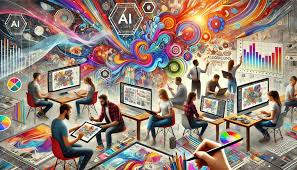
Future of Artists in the Digital Entertainment Era
The digital world has changed how artists create, share, and earn. From music and film to gaming and visual art, technology now drives almost every part of the entertainment industry. Artists no longer depend only on studios or big companies. Instead, they can build their own audience online and control their creative journey. This shift has opened new doors, but it also brings new challenges.
Rise of Digital Platforms
Digital platforms like streaming apps, social media, and content-sharing sites have made it easier for artists to reach a global audience. A singer can upload a song and gain millions of views overnight. A digital painter can sell artwork through online marketplaces without needing a gallery.
In today’s world, even financial discussions around celebrities, such as Bryson DeChambeau Net Worth, show how digital exposure can boost earnings. Athletes and artists now grow their income through brand deals, online presence, and fan engagement. This highlights how digital reach directly impacts success.
Changing Revenue Models
The way artists earn money has changed a lot. In the past, income mainly came from album sales, movie tickets, or exhibitions. Now, artists earn from multiple digital sources such as streaming revenue, online ads, sponsorships, and subscriptions.
Below is a simple comparison of traditional vs digital income models:
| Aspect | Traditional Era | Digital Era |
| Main Income Source | Sales (CDs, tickets) | Streaming, ads, sponsorships |
| Audience Reach | Local or national | Global |
| Control Over Content | Limited | High |
| Promotion Method | Media and agencies | Social media and self-promotion |
| Revenue Speed | Slow | Fast and real-time |
This shift gives artists more freedom but also requires them to manage their own brand and marketing.
Role of Social Media and Personal Branding
Social media has become a powerful tool for artists. Platforms like Instagram, TikTok, and YouTube allow creators to connect directly with fans. Artists now build personal brands, not just careers.
Fans want more than just content. They want stories, behind-the-scenes moments, and real interaction. Artists who stay active online often gain more followers and better opportunities.
In this context, understanding audience behavior is important. Many creators study trends and audience preferences through tools and insights, often referred to as How sights, to improve their content strategy and reach.
read more : https://mealtop.co.uk/
Technology and Creative Innovation
New technologies like artificial intelligence, virtual reality, and blockchain are shaping the future of art. AI tools help artists create music, images, and videos faster. Virtual reality offers immersive experiences for fans, while blockchain allows artists to sell digital assets like NFTs.
These technologies help artists stand out in a crowded market. They also create new ways to earn money and protect creative work.
For example:
- AI speeds up content creation
- NFTs provide ownership of digital art
- VR creates interactive entertainment experiences
Challenges in the Digital Era
While the digital age offers many benefits, it also brings challenges. Competition is very high because anyone can publish content online. Standing out requires creativity, consistency, and strategy.
Another issue is income stability. Not all artists earn well from digital platforms. Streaming revenue can be low, and algorithms often control visibility. Artists must keep adapting to platform changes to stay relevant.
Key challenges include:
- High competition
- Low initial earnings
- Dependence on algorithms
- Content piracy and copyright issues
Importance of Skills Beyond Creativity
Modern artists need more than just talent. They must learn marketing, communication, and basic business skills. Understanding analytics, branding, and audience engagement is now part of the job.
Artists who succeed today often:
- Build strong online communities
- Use data to improve content
- Collaborate with other creators
- Stay updated with trends and tools
This mix of creativity and strategy defines success in the digital entertainment era.
Future Opportunities for Artists
The future looks promising for artists who adapt to change. Digital platforms will continue to grow, and new technologies will create even more opportunities. Artists can explore global collaborations, virtual concerts, and direct fan support through memberships and crowdfunding.
Here is a quick overview of future trends:
| Trend | Impact on Artists |
| AI Tools | Faster and smarter content creation |
| Virtual Events | Global audience engagement |
| NFTs & Blockchain | Secure digital ownership and income |
| Creator Economy Growth | More independence and earning options |
| Global Collaboration | Cross-border creative projects |
Artists who stay flexible and open to learning will benefit the most from these trends.
Conclusion
The digital entertainment era has transformed the artist’s journey. It offers freedom, global reach, and new income streams. At the same time, it demands new skills and constant adaptation. Success today depends on both creativity and smart strategy.
Artists who embrace technology, build strong personal brands, and understand their audience will lead the future. The digital world is full of opportunities, and those who evolve with it will thrive.