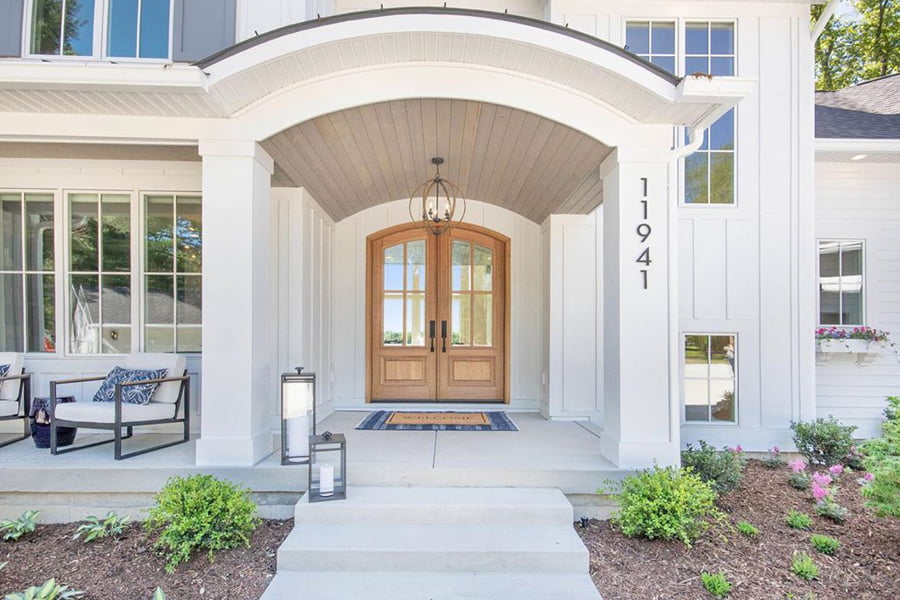
How To Choose The Perfect Material For Your Front Door
Your front door is more than just the main entrance to get inside your home, it serves multiple functions: it reflects your style and aesthetic, provides protection from the elements as well as energy efficiency, ensures privacy, and most importantly, safeguards you and your loved ones from intruders and other unwanted guests.
Whether you’re choosing a door for a new house or planning to replace your old front door, the first thing to consider is which material works best suits your needs. This door guide is brought to you by an expert emergency Sheffield locksmith on how to choose the right front door material for you!
uPVC doors
uPVC stands for Unplasticised Polyvinyl Chloride, and because it doesn’t contain any plasticisers, this material is rigid and highly durable. Doors from uPVC material are highly popular amongst UK homeowners and highly recommended by locksmiths for several reasons: they are -resistant, able to withstand sunlight and temperature variations as well as moisture exposure.
They are also warp-, jam-, and twist-proof, and thus retain their shape and strength anywhere between 10 – 35 years. In addition, they are also more economical than most other doors due to the affordability of the material and their low maintenance costs.
When it comes to aesthetics, uPVC doors come in a wide range of colours and faux wood-grain finishes to match the look of any property. However, perhaps the most significant benefit of uPVC doors is the strong security they provide against break-ins while still being light.
Professional locksmiths would fit your uPVC doors with Yale multi-point door locks specifically designed for this door type as this can provide robust security.
Aluminium doors
Aluminium is a lightweight material that is exceptionally durable and naturally resistant to rust and corrosion. It is resistant to harsh weather conditions whether it be heavy rain or intense sunlight. These qualities make aluminium an excellent material for entrance doors!
Aluminium doors can be easily formed into various shapes and sizes and can be fitted with large glass panels, allowing natural sunlight to enter an interior space whilst creating a more spacious feel. They can also be customised according to your taste, with a wide variety of finishes, including anodised and powder-coated options.
The other benefits offered by aluminum doors include: they require minimal maintenance, provide excellent insulation in both hot and cold weather which translates to energy efficiency, and they are eco-friendly as aluminium is sustainable and recyclable.
Although they are more expensive than most other door types, the advantages discussed above all contribute to long-term cost savings. Lastly, aluminium doors offer strong security, as they are made from the same material used in skyscrapers, pipelines, and aerospace vehicles.
Composite doors
Lastly, composite doors are external doors made from a combination of materials ,including wood, PVC, insulating foam, and glass-reinforced plastic (GRP). Since they were introduced in the market in the late 1990s, composite doors have surpassed uPVC doors in popularity.
For most expert locksmiths, composite doors will be their recommendation to homeowners as it offers the strength and durability of steel, the stylish look of wood, and the low maintenance benefits of uPVC.
They come in a range of styles and colours and can even be customised to meet specific design and size requirements. In addition, they have a warm thermal polyurethane foam core, providing superior heat-retaining insulation, making them an energy efficient option.
How To Choose The Right Material
With this in mind, all that’s left is to take your pick of door material for your entryway. The best way to go with this is to think about the following questions:
- What is my budget?
- Do I want a door that can be customisable while still being durable?
- What kind of locks does my door of choice would need?
- Will my house be better suited with a specific style of a door?
- Will I be installing additional locking mechanisms (e.g. security screen, letterbox, smart locks, digital doorbells, etc.)?
Answering these questions can help you determine what kind of door exactly is the right fit for you. Your best course of action is also to have a locksmith do the assessment for your house, most of them would have free security surveys you can take advantage of before buying a door!
This way, you’ll have a better picture of what material to buy that fits your budget, security needs, and style!