What Is Lion’s Mane Like to Eat?
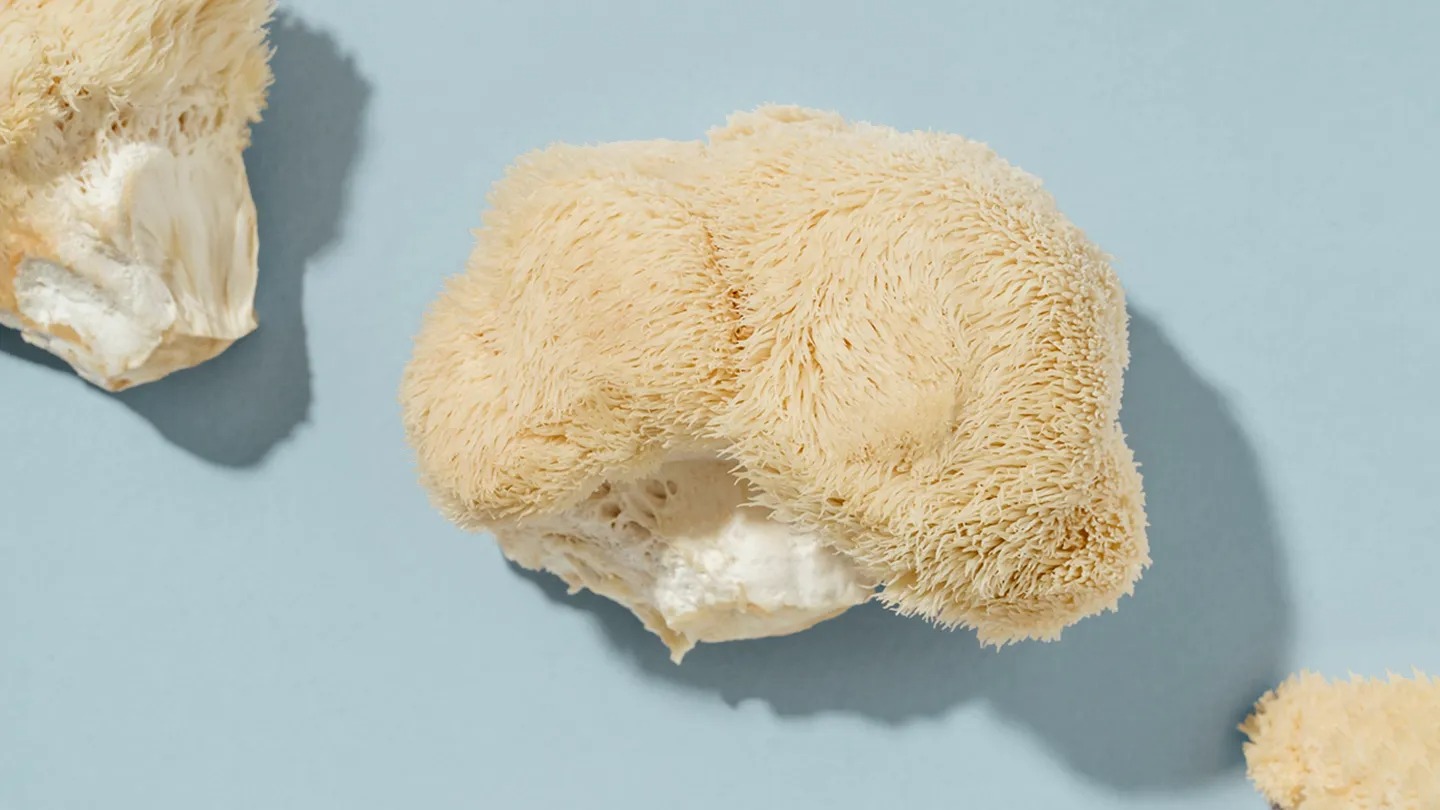
Lion’s Mane mushrooms are one of the most talked-about ingredients in 2025, and it is easy to see why. With their fluffy white appearance, delicate structure, and subtle, satisfying flavour, they are winning over food lovers, chefs and curious home cooks across the UK. But what exactly is Lion’s Mane like to eat?
In this article, we explore the taste, texture and culinary versatility of this standout mushroom, and offer insights into why it has become such a favourite in modern cooking.
A First Look at Lion’s Mane
Before diving into flavour, it helps to understand what Lion’s Mane mushrooms actually are. Known scientifically as Hericium erinaceus, this unique fungus grows in a cascading, tooth-like formation that resembles a white pom-pom or shaggy lion’s mane. Unlike common mushrooms that grow with a cap and gills, Lion’s Mane grows in soft clumps that look almost coral-like in structure.
While they may appear unusual at first, their appearance hints at what makes them so special on the plate. The fine, thread-like structure of the mushroom contributes to its distinctive mouthfeel and ability to absorb flavour during cooking.
Taste Profile: Subtle, Sweet and Savoury
Lion’s Mane mushrooms are often described as having a mild, sweet flavour with gentle umami notes. The taste is delicate but distinctive, and works well across a variety of savoury dishes. Unlike some wild mushrooms that have a strong earthy or forest floor aroma, Lion’s Mane is clean-tasting and approachable.
Some compare the flavour to mild shellfish, such as crab or lobster, especially when the mushroom is pan-fried or roasted. This comparison is so common that Lion’s Mane is often featured as a seafood substitute in vegan and vegetarian recipes. However, it is important to note that the mushroom has no actual fishy taste or smell. The similarity comes from the texture and the way it takes on seasoning, not from any briny notes.
Texture: Meaty, Juicy and Satisfyingly Firm
Where Lion’s Mane really shines is in its texture. When cooked properly, it becomes juicy, meaty and slightly chewy, much like tender meat or shellfish. The strands of the mushroom pull apart in a fibrous way, creating a structure that many people describe as “meat-like” without being tough or rubbery.
The exterior can be crisped up in a pan, while the interior remains moist and tender. This combination gives Lion’s Mane a satisfying bite that holds up well in everything from stir-fries and sandwiches to steaks, skewers and pasta dishes.
How It Cooks
Lion’s Mane mushrooms are incredibly versatile and take well to various cooking methods. The most common and arguably most effective method is pan-searing. This involves slicing the mushroom into thick sections, drying them gently with a paper towel, and placing them into a hot pan with a little oil or butter. They are best cooked over medium-high heat, allowing them to release their moisture, caramelise on the outside, and develop a golden crust.
Once the moisture has cooked off and the edges are nicely browned, Lion’s Mane mushrooms can be seasoned with salt, garlic, herbs or sauces. Because of their sponge-like structure, they absorb flavours very well. A drizzle of soy sauce, a splash of lemon juice or a dusting of smoked paprika can completely transform the flavour profile.
They can also be torn into strands and shredded, used in curries or soups, or even roasted whole. Some adventurous cooks use them to make vegan crab cakes, “pulled” mushroom sandwiches or battered mushroom bites.
Does It Taste Like Other Mushrooms?
The short answer is: not really. While Lion’s Mane shares some umami qualities with other gourmet mushrooms, it is quite distinct in both flavour and mouthfeel. It lacks the earthy bitterness found in some woodland mushrooms and does not have the deep savouriness of shiitake or the chewy density of king oyster mushrooms.
Instead, Lion’s Mane offers a lighter, almost buttery flavour with a fluffy, tender texture. It is this combination that makes it so appealing, even to people who normally avoid mushrooms. In many cases, it has helped convert mushroom sceptics who are looking for plant-based proteins that are not soggy, slimy or overpowering.
Best Dishes to Try with Lion’s Mane
Lion’s Mane mushrooms can be used in countless recipes, but some of the most popular include:
Pan-seared Lion’s Mane steaks: Thick slices seared in oil or butter, seasoned simply with salt, pepper and herbs.
Vegan “crab” cakes: Shredded Lion’s Mane mixed with breadcrumbs, mustard, lemon juice and seasoning, shaped and pan-fried.
Stir-fried Lion’s Mane: Sliced thinly and tossed with noodles, vegetables and a soy-based sauce.
Grilled skewers: Marinated chunks grilled over flame or on a griddle, ideal for barbecues or tapas.
Creamy mushroom pasta: Sautéed mushrooms stirred into a garlic and cream-based sauce with fresh herbs.
These dishes highlight the mushroom’s ability to take on different flavours and textures while remaining the star of the plate.
How Does It Pair with Other Ingredients?
Because Lion’s Mane has a gentle flavour, it works well with a wide range of ingredients. It pairs particularly well with:
- Garlic and shallots
- Butter or olive oil
- White wine or lemon juice
- Herbs such as thyme, parsley and rosemary
- Miso, tamari or soy-based sauces
- Cream, coconut milk or plant-based alternatives
- Rice, pasta, noodles or grains
- Other vegetables like courgette, spinach or aubergine
Its versatility means it can feature in everything from Mediterranean and East Asian dishes to modern British fusion cooking.
Nutritional Benefits While You Eat
While the taste and texture of Lion’s Mane are enough reason to include it in your diet, it is worth noting that this mushroom is also rich in nutrients. It provides a good source of plant-based protein, dietary fibre and essential minerals. It is naturally low in fat, cholesterol-free and suitable for vegan and vegetarian diets.
Some people also choose Lion’s Mane for its potential functional benefits. Ongoing research is exploring its role in supporting brain health, reducing inflammation, and promoting gut health. While results are still being studied, it adds another layer of appeal for those looking to nourish themselves through natural, whole foods.
Tips for First-Time Eaters
If you are trying Lion’s Mane for the first time, here are a few tips to make the experience more enjoyable:
Cook it thoroughly: It tastes best when browned and slightly crisp on the outside.
Dry before cooking: Pat the mushrooms with a paper towel to remove excess moisture, which helps them brown instead of steam.
Season well: Start simple with salt and pepper, then experiment with sauces and spices.
Try different shapes: Slice it thick for steaks, shred it for stir-fries or tear it into chunks for roasting.
Eat it fresh: Like all mushrooms, it is best when cooked soon after harvest.
Final Thoughts: A Culinary Game-Changer
Lion’s Mane mushrooms are far more than a novelty. They are a versatile, flavourful and nutritious ingredient that suits a modern, health-conscious lifestyle. With their gentle seafood-like flavour, tender meatiness and ability to absorb seasoning, they offer an exciting alternative to traditional proteins.
Whether you are vegan, vegetarian or simply looking to try something new, Lion’s Mane mushrooms deserve a place in your kitchen. Their unique eating experience is part of what makes them one of the most exciting food trends of the year.